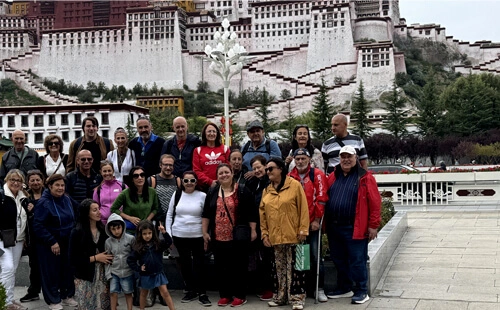
Paro: The Gateway and Architectural Wonders of Bhutan
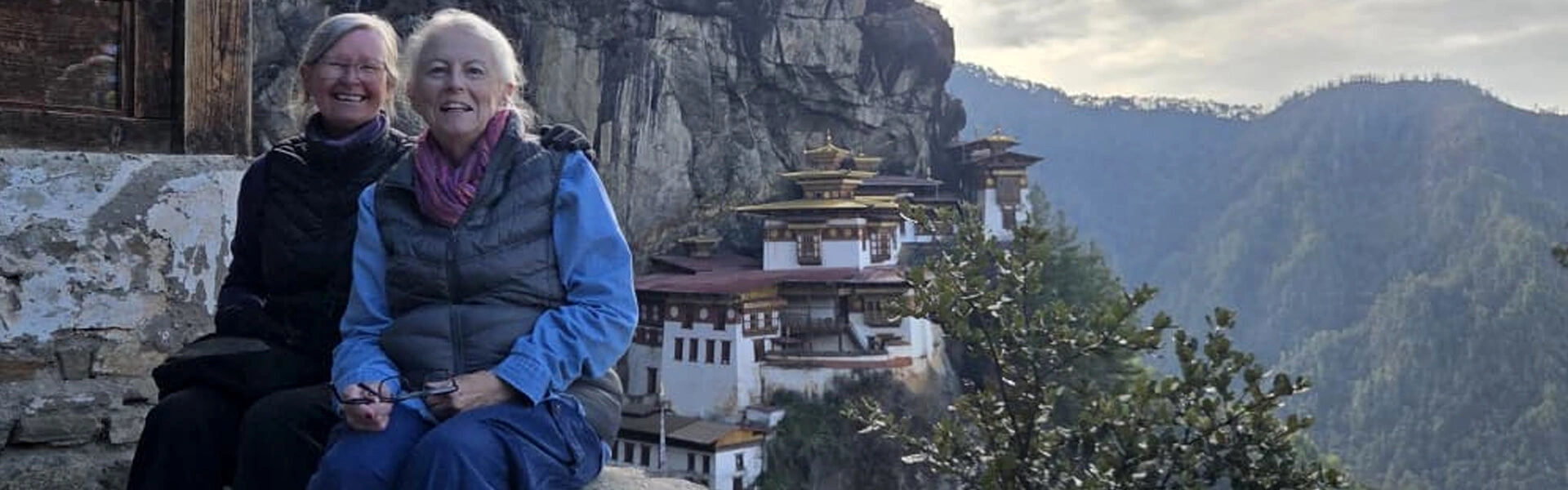
Featuring the only international airport in Bhutan, Paro sits at the center of lush green valleys stretching to several sky-towering snow-capped mountain ranges. It is home to the iconic Bhutan Tiger’s Nest (Paro Taktsang), which is located around 900 m above the valley and is said to be the place where Guru Padmasambhava (Guru Rinpoche/the one who introduced Buddhism in Bhutan) flew on the back of a tigress for three weeks and three days to meditate.
If you are keen on spirituality and wellness, you know that Taktsang Monastery (Bhutan's Tiger's Nest) is the place to go, characterized by prayer wheels, stone mani walls, and a viewpoint cafe midway. Then there is Paro Dzong and town, Rinpung Dzong (fortress-monastery), National Museum of Bhutan, and Kyichu Lhakhang (one of the oldest temples in Bhutan) to appreciate the traditional Bhutanese architecture to the fullest.
Thimphu: The Royal Capital City of Bhutan
An hour and a half drive from Paro is Thimphu, located at an elevation of 2,334 m / 7,657 ft above sea level. It is among the few places in the world that have embraced urban life with centuries-old traditions side by side, without a single traffic light. Some of the top visiting places in Bhutan from here are Memorial Chorten, Buddha Dordenma (Buddha Point), Taschi Dzong, Folk Heritage Museum, and Motithang Takin Preserve.
Buddha Dordenma is famous for its 169-foot-tall golden Buddha statue, established to fulfill an ancient prophecy. The National Memorial Chorten is a place where you can watch the locals gather for daily prayer and meditation. Tashichho Dzong is the seat of Bhutan’s government and monastic body; Motithang Takin Preserve is known as the spot to see Bhutan’s national animal (Takin); and the Folk Heritage Museum and market are a great place to browse local textiles.
Dochula Pass: Paro and Punkha from above the cloud
Located in between the major valleys of Paro and Punakha, at approx. 3,100 m above sea level, Dochula Pass offers you panoramic views of the surrounding Himalayan ranges and the lush hills. The pass further features 108 memorial chortens to honor the fallen during the insurgency on the Indo-Bhutan border in the year 2003 by the Queen Mother, Ashi Dorji Wangmo Wangchuk, and a Buddhist temple (Druk Wangyal Lakhang) in honor of the 4th Bhutan King.
It is also the place where the annual Dochu La Wangyal Festival is held, and it adds to the cultural dimensions. 360-degree views of the snow-capped mountain peaks on a clear-weather day, such as those of Mt. Puensum (7,570 m, the world’s highest unclimbed peak), are also serene and especially stunning during sunrise and sunset, making it a photography haven perfect for soaking in the Bhutan Highlights Tour for mindfulness and the Bhutan photography journey.
Punakha: The Most Beautiful Valley of Bhutan
Situated at the meeting point of two rivers: Phu Chhu (Father River) and Mo Chhu (Mother River), Punkha is a fertile valley with a temperate climate. Already a beautiful valley in spring, the fresh bloom of lilac flowers of Jacaranda further makes it stand out as a Photography Tour Bhutan destination, as does a serene nature riverside walk, thrilling crossing of suspension bridge, river rafting, and a few hours of walking take you to Dochula Pass.
Once a winter palace, it further hosts the Punkha Dzong (the palace of great happiness), which historically was the site of the coronation of the first king of Bhutan in 1907 and hosted the royal wedding of the current king in 2011. Nearby is Chimi Lhakhang (the divine Madman’s Fertility Temple), dedicated to Lama Drukpa Kunley, remembered for his humorous ways of teaching Buddhism, and the Punakha Festival 7 Days Tour is to experience the best of it.
Bumthang: The spiritual center of Bhutan
Consisting of four stunning valleys of Bhutan (Chokhor, Tang, Chhume, and Ura) filled with numerous monasteries, temples, and sacred sites, if you are seeking spiritual and cultural exposure as the highlights of a tour to Bhutan, Bumthang comes second to none as the top place to visit in Bhutan. The entire valley is deeply connected to Bhutanese Buddhism and local legends, and is home to some of the oldest and most venerated temples.
Jakar Dzong, Kurjey Lhakhang, Tamshing Monastery, and Mebar Tsho (the Burning Lake). At Kurjey Lhakhang is a sacred cave where Guru Rinpoche is believed to have mediated and left the physical imprint of his body ("Kurjey"); Jambay Lhakhang is one of the 180 ancient temples built to pin down the huge ogress; and Mebar Tsho is the place where Pema Lingpa plunged into the depths holding a burning butter lamp and later returned with sacred hidden text.
Phobjikha Valley: The valley of Black-Necked Crane
The list of Bhutan Highlights Tour is incomplete without mentioning a glacial valley and conservation area, the Valley of Phobjikha (Gangtey). While majorly known for being home to the endangered black-necked cranes that migrate here in winter, if you are looking forward to a scenic and serene Bhutanese Himalayan experience on foot (hiking), Phobjikha Valley is an unmissable destination, including for the years 2026 and 2027.
At the edge of the Black Mountains National Park, locals here have a spiritual reverence for the elegant Black-Necked Crane, and every year the festival is held in winter at Gangtey Monastery to observe them, so consider Bhutan Paramount Tour - 10 Days booking in winter. Other than that, it is one of the significant 17th-century monasteries linked to the Nyingma school of Buddhism, offering a peaceful look into rural Bhutanese life and religious belief.
The Haa Valley: The Best Kept Secret of Bhutan
The smallest district of Bhutan, Haa Valley, at about a couple of hours' drive from Paro International Airport, remains one of the least explored destinations to visit for an offbeat experience; an intimate Bhutan Himalayan experience is guaranteed. It hosts the cultural gems like the Lakhang Karpo (White Temple), Lakhang Nagpo (Black Temple), Haa Gomba, and Jmatay Gomba, where the region’s deep connection to Bon and animistic practice is vivid.
Pristine forests, green meadows, and traditional Bhutanese villages in isolation from Paro are a few hours' drive via Chele La Pass, the highest motorable mountain pass in Bhutan, serving as a trek starting point for several ancient trekking and hiking trails to Haa Valley. For a nature buff, it is one of the best places to visit in Bhutan. Away from the influence of modern civilization, at the lap of mountains and hills, authentic hiking is what the Haa Valley offers to you!
Trongsa: Bhutan’s Historic Center
Strategically located at the center of Bhutan, often referred to as the balcony of Bhutan, Trongsa is one of the top tourist places in Bhutan. It is the place that connects both the roads and culture from the eastern to the western region, perched high on a ridge overlooking the valleys. Compared to Paro and Thimphu, it is still a quieter destination with a more traditional atmosphere, making it ideal for deeper cultural immersion.
There’s a lot to see and explore here, as traditionally it is also the place where the crown prince of Bhutan first served as governor before becoming king. In here is also Trongsa Dzong (its structure resembling a flying dragon, the largest dzong fortress in Bhutan, established in 1648), and the Ta Dzong Museum is one of the main attractions. Especially in theTrongsa Festival, you have a vibrant atmosphere and an opportunity for a deeper understanding of the culture here.
Wangdue Phodrang: A Blend of Nature and Culture
At the central highway before central Bhutan, Wangdue Phodrang is an abundant valley of pasture land for cattle, monasteries, bamboo products, slate, and stone carvings. Stretched from subtropical forests to alpine meadows, often overshadowed by nearby destinations like Paro and Thimphu, it is also like Haa Valley, i.e., one of the best hidden gems, and visit Bhutan Highlights, for a wholesome Bhutan Himalayan experience.
The higher you go, the more scenic the landscapes get, truly breathtaking, especially on a hilltop where the Punkha Chh and Tang Chuu rivers meet. Wangdue Phodrang Dzong, built in 1638 by Zhabdrung Ngawang Namgyal, is the place that played a significant role in the unification of Bhutan and also in defense from invasions close to both Gangtey and its Gompa and Phojikha Valley. Nature-wise, you also have a higher chance of coming across rich birdlife and biodiversity.
When is the best time for the Photography Tour Bhutan?
While the best time to go and see Bhutan travel highlights is alike to other Himalayan treks and tours in Nepal, such as the Everest Base Camp Trek, the Annapurna Base Camp Trek, and the Langtang Valley Trek, it also may vary based on your areas of interest and main aim to visit; spring and autumn from March to May and September to November are for those who prefer comfortable days, clear skies, and good weather for more open views of the scenery.
These times of the year are ideal for trekking, photography, and also colorful festivals such as Paro Tshachu in spring and Thimphu Tsechu in autumn. But if you are more fond of the Black-Necked Crane festival, winter from December to February is the right time to visit places in Bhutan, precisely at Phobjikha Valley, more at Best Time to Visit Bhutan, whether you choose the Bhutan Paramount Tour, the Explore Bhutan Tour, or the Spirit of Bhutan Tour.
Essential Tips for Structuring Your Ultimate Bhutan Tour
Booking through the licensed local operators or associates, such as Adventure Himalayan Travels and Treks, is one of the ways to honor Bhutan's travel and tourism approach, especially when the country itself is among the few of the carbon-negative nations in the world and is known for its unique philosophy of Gross National Happiness (GNH). To support local businesses, it is highly recommended to eat at local eateries and buy some souvenirs.
Minimizing the waste is a must; respect for and above this all is respect for local culture, norms, values, and also the wildlife habitats. Stay on trails and follow the local rules, especially when visiting temples, monasteries, and Dzongs. While booking with us for the Nepal Bhutan Cultural Heritage and Nature Experiences Tour or short tours, we take care of most of the logistics; the visa is for you to obtain! More at Smart Bhutan Travel Tips for 2026 and 2027.
Conclusion
Bhutan is a magical travel and tour destination offering a transformative experience with its blend of ancient traditions, natural beauty, and modern infrastructure. From the legendary Bhutan Tiger's Nest and cliffside monasteries of Paro to the serene valley of Phobjikha (the valley of Black Necked Crane) and Bumthang, or capturing stunning Himalayan landscapes, every step here is worth it and feels magical.
The above-mentioned are the landmarks that represent some of the major highlights of a tour to Bhutan that you may choose to visit one at a time or all of them at once. Adventure Himalayan Travels and Treks is eager to help you make your dream come true. Directly book our comprehensive packages, such as the Dagala Thousand Lakes Trek with Culture Tour or combined ones, such as the Nepal-Tibet-Bhutan Tour, and we are happy to customize them for you.