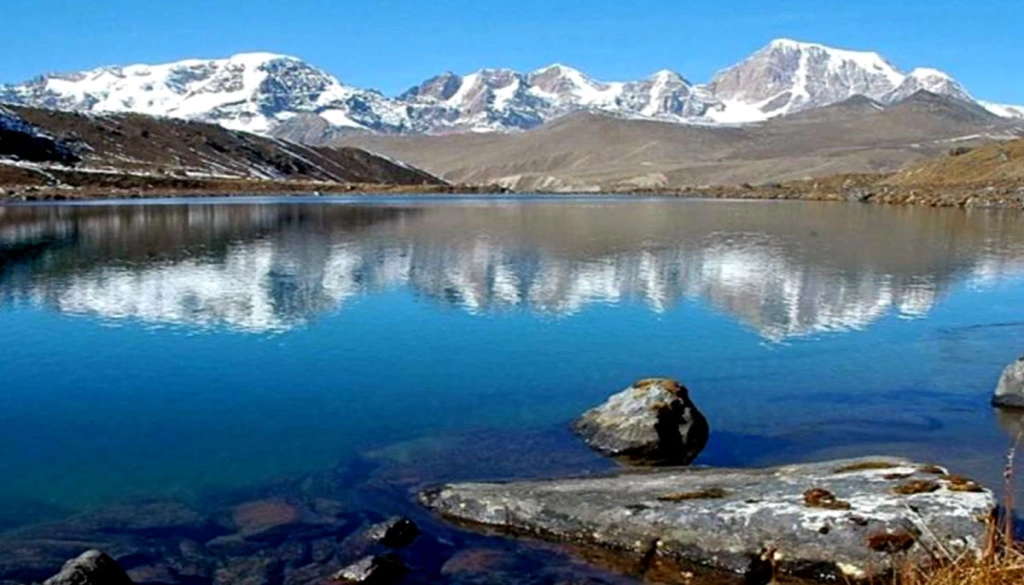
Dagala Thousand Lakes Trek with Culture Tour - 10 Days

Good to Know
  • Duration 10 Days
  • Trip Grade Moderate
  • Starts/Ends Paro to Paro
  • Group Size 2-10
  • Max. Altitude 4300 M
  • Best Season all season

Trip Overview

The Dagala Thousand Lakes Trek with Culture Tour is one of the most interesting short and off-the-beaten-path trekking routes in Bhutan, offering a great combination of culture and nature in a 10 days trip. While there may not be exactly thousands of lakes now, as the name suggests, it connects you to the local legends and myths about how it used to be the place with actual thousands of tranquil lakes in picturesque settings.

The Dagala Thousand Lakes Trek with Culture Tour Itinerary of 10 days begins with your arrival at Paro; thereafter, you visit several cultural, historical, and natural landmarks, some even listed as UNESCO World Heritage Sites. It is among the very rare opportunities to witness the beautiful landscapes of Bhutan. Iconic Tiger’s Nest Monastery, Rinpung Dzong, Thimphu (the capital city of Bhutan), and more—it is worth everything.

Mostly rugged and unspoiled, the Dagala Thousand Lakes Trekking with Culture Trip Itinerary is a fascinating journey into the unknown, a journey that is designed for adventurers keen to have an amazing insight into Bhutan’s rich culture, history, and nature. We are offering fixed departures in the spring and autumn of 2026 and 2027. Bookings are now open. Reserve your seat and enjoy exclusive discounts.

For early birds and groups with more than 10 members, we are offering a special discount on the Dagala Thousand Lakes Trek with Culture Tour Cost, valid for the years 2026 and 2027. Otherwise also, the Dagala Thousand Lakes Trekking with Culture Trip cost is reasonable, with coverage for all the essential logistics, including permits, lodges, meals, and transportation during trek days.

What to expect during the trek to Dagala Thousand Lakes and the Culture Tour?

Reaching the maximum elevation at around 4,300 m above sea level in Labatamba, the Dagala Thousand Lakes Trek with the cultural trip is for individuals looking forward to exploring the hidden gems of Bhutan with a moderately high-altitude trek. Stealing glances at some of the major tops of the world, the primary goal is to arrive at the sacred lakes, where the visit to Paro, Tiger’s Nest, Punakha Dzong, and Thimphu adds much to the experience.

Bhutan, also called the land of the Thunder Dragon, i.e., Druk Yul in the local Dzongkha, the Dagala Thousand Lakes Trekking with Culture Tour provides you an opportunity to visit the country's most cherished highlights. Suitable for a wide range of adventurers, including families with children and aged members, it is not necessarily extremely demanding; it is instead a pleasurable journey from start to end, especially with operators who are licensed for it.

One of the least trodden trekking routes of Bhutan

Despite the well-established trekking route fully supported by local lodges and camping staff from local and government-listed Bhutan trek and tour operators such as Adventure Himalayan Travels and Treks, the Dagala Thousand Lakes Hiking Trail remains one route that receives a relatively lesser number of tourists, trekkers, and travelers throughout the year, including during spring and autumn, considered the peak tourist season.

It has also allowed this part of Bhutan to conserve its authentic culture, customs, and traditions. Quiter, you have a perfect ambience to embrace the raw and genuine natural and cultural charms. Originally an ancient cattle migration route that features high-altitude ridges and alpine meadows, you can still observe the life of nomadic yak herders and locals leading a simple life engaged in agriculture as such seen during the Tsum Valley, Nar Phu, and Upper Dolpo Treks in Nepal. 

Epic mountain views on the Dagala Thousand Lakes Hiking

Especially when you walk towards and reach the Dagala Thousand Lakes, you can witness views of several mountains opening up. On clear days, you can see Mt. Jumolhari and Mt. Ganache Ta standing proudly against the blue sky. Above the alpine meadows, serene lakes, yak pastures, and typical Bhutanese-style villages, these peaks further magnify the scenery, with picture-perfect views making it a rewarding journey overall.

On day 6, you head to Panka from Labatamba, where you can expect the sweeping Himalayan views. Besides Mt. Jumolhari and Mt. Ganache Ta, you are treated to visual delights of Mt. Everest (8,848.86 m/the highest mountain in the world), Mt. Kanchenjunga (the third highest), Mt. Jichu Drake, Mt. Tshering Gang, Mt. Tsende Gang, Mt. Khangbum, and others, a paradise for snow-capped mountain enthusiasts.

The series of pristine sacred lakes at high altitude in Bhutan

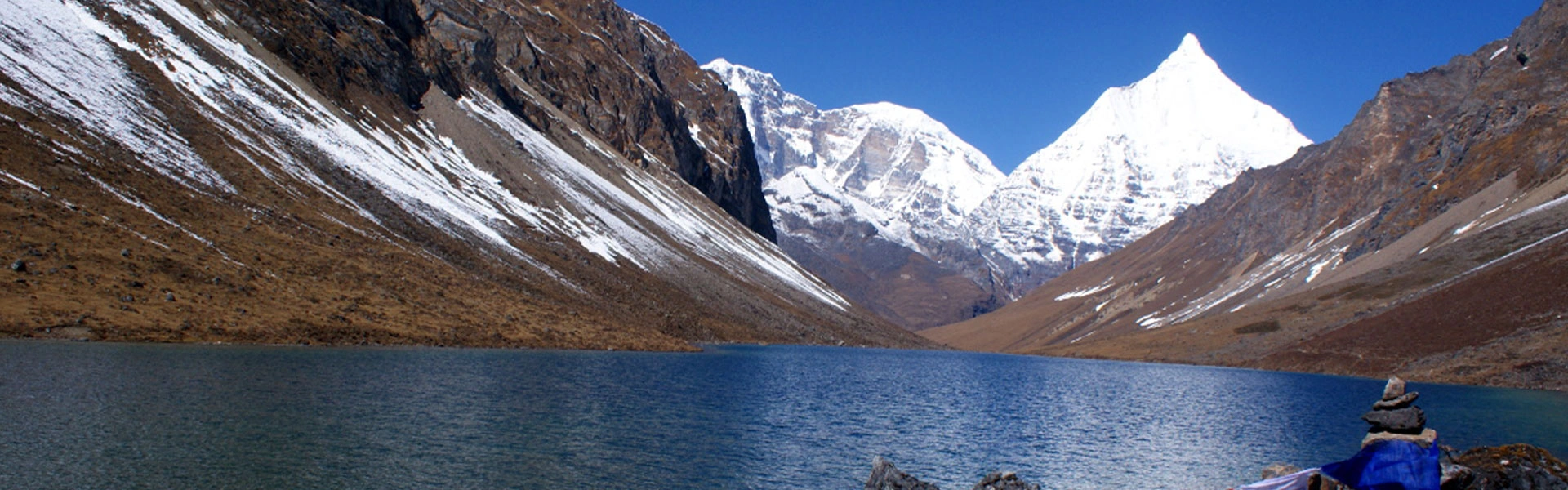
Labatamba Valley, home to a cluster of alpine lakes, is the main highlight of the Dagala Thousand Lakes Hiking with Cultural Trip. An extra buffer day is separated here to explore the valley and its lakes. Although there might not be exactly 1,000 of these lakes, they are held highly sacred by locals following Vajrayana Buddhism. Reflecting dramatic mountain scenery, some may even make offerings and pray.

Utsho Tsho, Relitsho, Setsho, Hentsho, and Jagetsho: locals believe it to be the abode of Aum Jomo, the protective goddess of the Dagala range, a perfect place to seek divine self-reflection for those who keep faith in Buddhism, the religion of peace and non-violence. Each lake possesses magic of its own to remember for life, among which Utsho Tsho is further famous for its golden trout, yet another highlight of the Dagala Thousand Lakes Trek.

Bhutanese authentic culture and its cultural sites

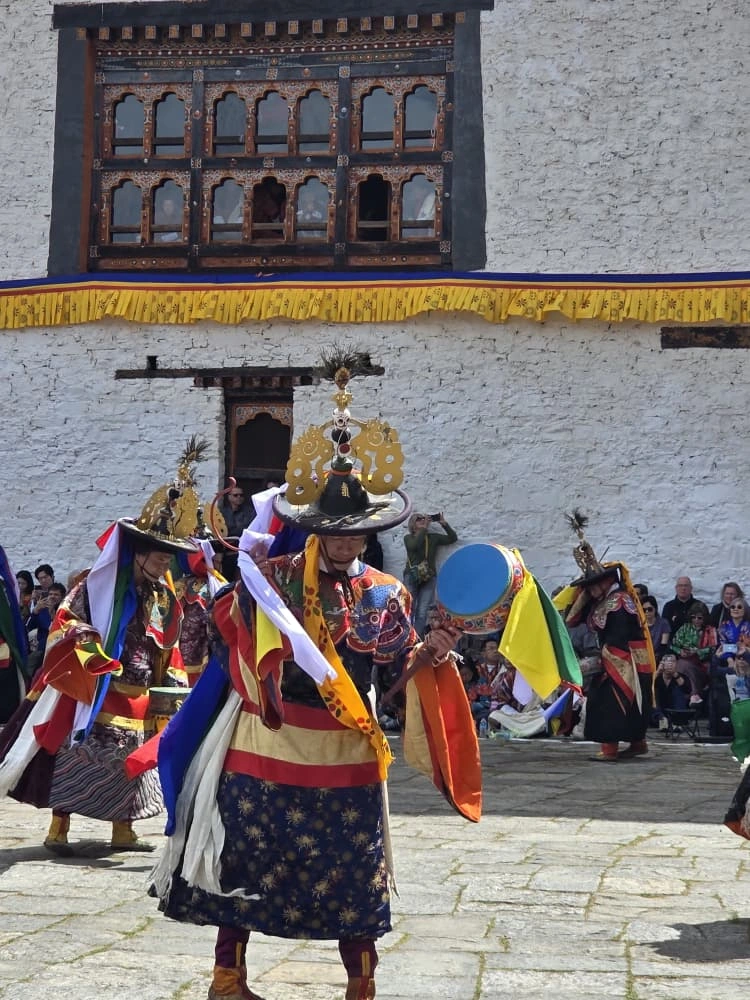
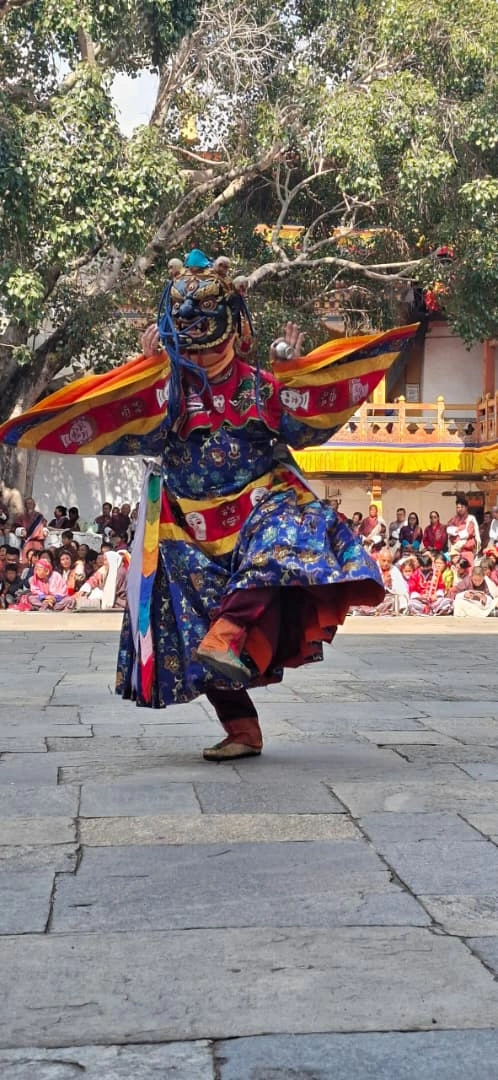
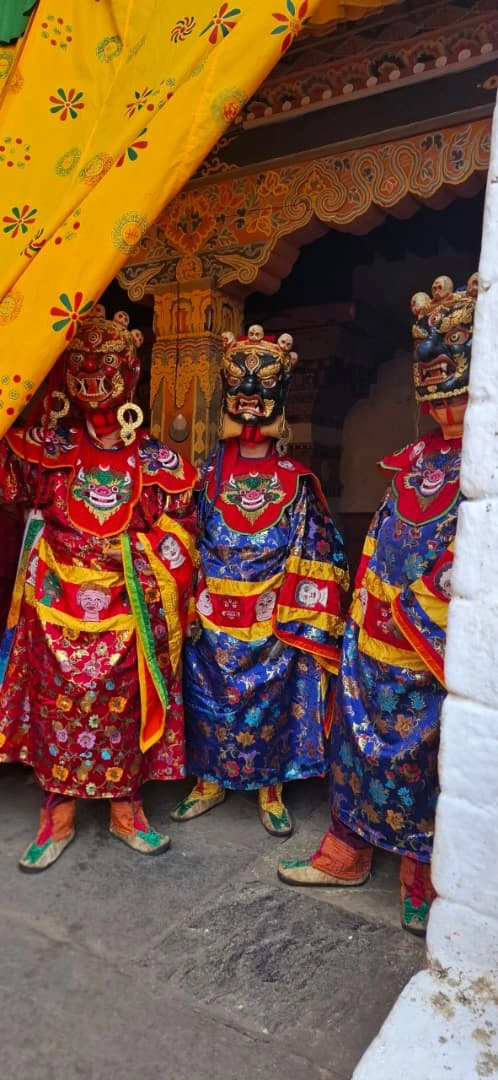
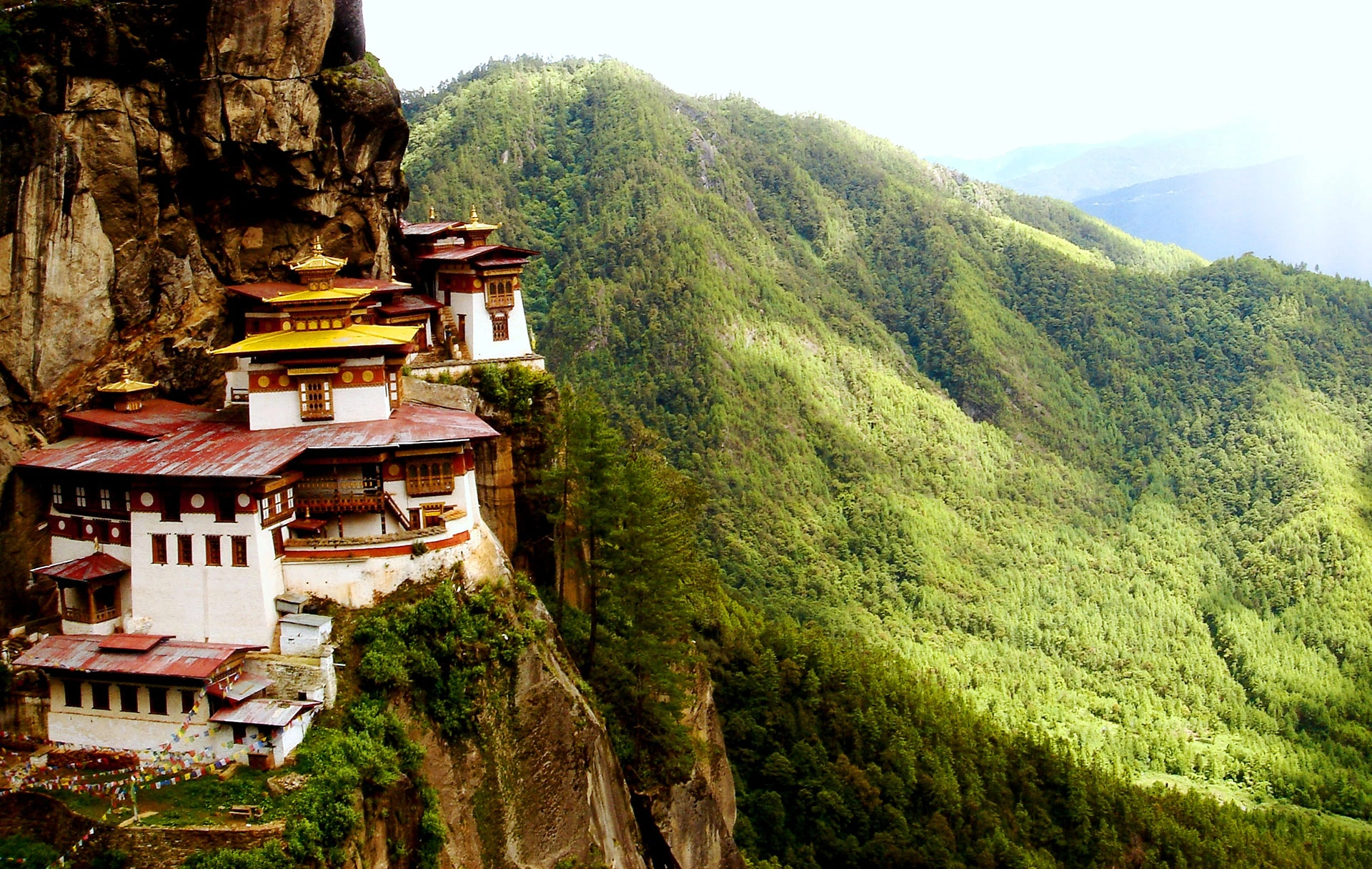
The Dagala Thousand Lakes Trekking Itinerary of 10 days for cultural tours does not conclude here; you also get to visit numerous cultural, historical, and religious sites like Tiger’s Nest, Thimphu, Punakha, and Paro. Also called Taktsang Monastery, it receives thousands of pilgrims each year due to its belief in being the meditation ground of Guru Rinpoche, the Buddhist spiritual leader.

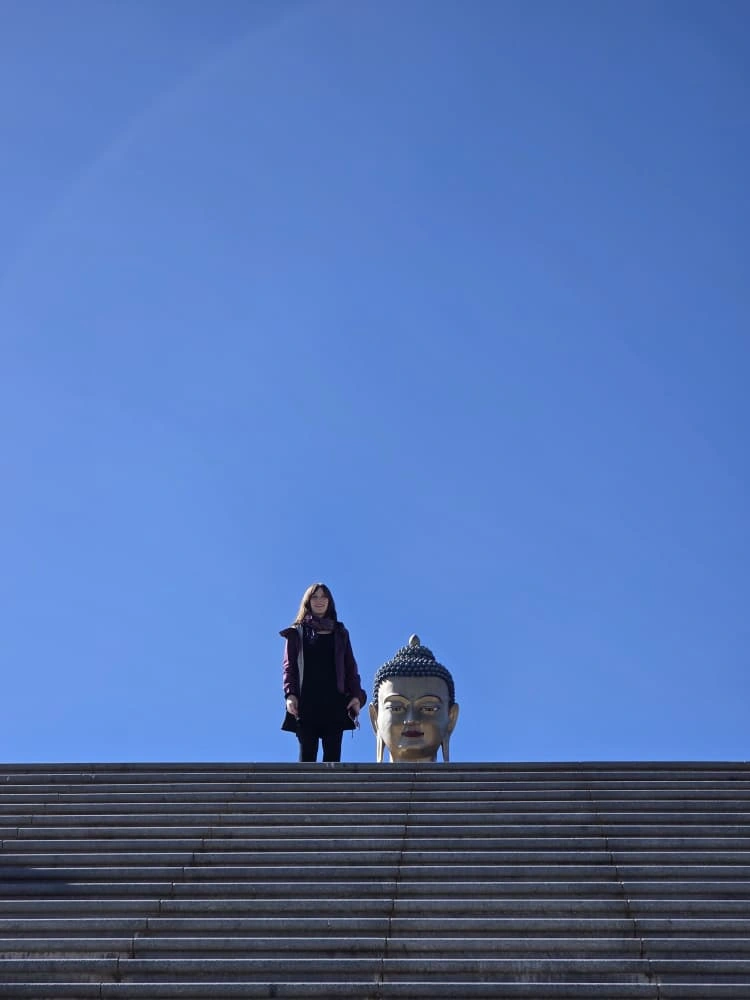
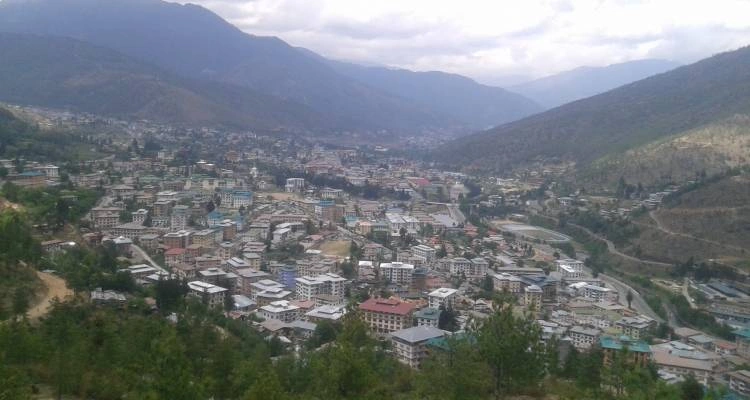
Likewise, Thimphu is the capital city of Bhutan and features tourist sites like the National Library, Arts & Crafts School, Textile Museum, and Bhutan Museum, followed by Buddha Dordenma and the historic Tashichho Dzong. Punakha is famous for Punakha Dzong, and Paro is known for the Chimi Lhakhang dedicated to the divine Madman and Lama Drukpa Kuenely; you have an enriching experience during the Dagala Thousand Lake Trek.

Encounter with a wide range of flora and fauna

Bhutan, along with being one of the countries with the highest gross national happiness, is among the few nations in the world that are carbon negative. About 60% is covered by forests; no wonder it is a haven for nature and wildlife aspirants as well. En route to completing the Dagala Thousand Lakes Trekking route for a culture trip, you can look forward to spotting several species of wildlife in their natural habitats.

With blue monal, sheep, marmots, Himalayan birds like the monal, and seasonal alpine flowers throughout the hiking route, you have a soulful experience. Specifically, when you camp around the Dagala Thousand Lakes away from human habitational lands, you have a high chance of coming across this wildlife during the Dagala Thousand Lakes Trekking with Culture Trek. Travel responsibly and observe from a distance.

Dagala Thousand Lakes Trek with Culture Tour Itinerary and Cost, 2026 and 2027

Based on the 10 days for the Dagala Thousand Lakes Trekking with Culture Trip Itinerary, the journey begins with your arrival at Paro. The iconic Tiger’s Nest from Paro is only a few hours of walking that you will hike up to as part of the acclimatization to prevent acute mountain sickness (AMS) on the second day. Thereafter, on the third day, you move forth to Gur, passing via Genekha Village, and from here is when you trek to Labatama.

Trekkers cross the Paga Labtsa Pass and first arrive at Utsho Tso Lake. The rest of the other lakes you will visit on the very next day: Relitsho, Setsho, Hentsho, and Jagetsho. I.e., Day 5 on the Dagala Thousand Lakes Trek with the Culture Tour Itinerary is also dedicated to yet another acclimatization day that includes spending the night at camp, enjoying stargazing amidst the serene air guarded by majestic snow-covered mountain ranges and lush hills.

However, the trip does not stop here; you will then descend to Panka, Talikha, Thimphu, Punkha, and back to Paro to fly back to your hometown, or your next trekking destination could be the Everest Base Camp Trek, Annapurna Base Camp Trek, or Langtang Valley Trek in Nepal. With more than 20 years of experience in crafting memorable Himalayan holiday trips in Tibet, Bhutan, and Nepal, contact us now and make the best out of the journey.

The Dagala Thousand Lakes Trek with Culture Tour from Adventure Himalayan Travels and Treks is reasonably priced. Grab this golden chance to explore the unspoiled wilderness of Bhutan and its harmonious way of life. The comprehensive package, i.e., Dagala Thousand Lakes Trekking with a culture tour, promises unforgettable memories of Bhutan's unmatched landscapes and timeless charm. Limited spots available for 2026 and 2027; book now!
Itinerary
Expand AllCollapse All

Early in the morning, you will catch the flight to Paro from Kathmandu, the capital city of Nepal, across the awe-inspiring Himalayan peaks, including sacred Jumolhari and Jichu Drake, marking your arrival in Bhutan, where you will be greeted by Bhutan's representatives from Adventure Himalayan Travels and Treks, who will also transfer you to your hotel.

After lunch, your guide will provide you with a brief on your day-to-day itinerary in Bhutan, which also includes visits to Ta Dzong, the National Museum of Bhutan, Rinpung Dzong (also known as the Fort of Jewel), Drugyal Dzong (Bhutan Victory Fort), and Kichu Lakhang (a Buddhist site built in the 17th century) if the time permits.

  • AccommodationThree-Star-Hotel
  • MealsLunch-Dinner
  • Max. Altitude2,250m

The second day in Bhutan is allocated for acclimatization to Bhutan's serene air so that one can avoid getting altitude mountain sickness (AMS) in the upcoming days above 3,000 m, considered the AMS-prone areas. Therefore, as a part of acclimatization, you will wake up early in the morning to hike to Taktsang (Tiger’s Nest) monastery, which is the legendary meditation ground of Guru Rinpoche, the Buddhist spiritual leader.

There will be a lunch break halfway up on the mountain in the cafeteria to return to Paro Valley for the night after an amazing exploration of the monastery perched on the edge of a cliff, around 900 m above sea level.

  • AccommodationThree-Star-Hotel
  • MealsBreakfast-Lunch-Dinner
  • Max. Altitude3,180m

You will start trekking. From Paro, you first have to drive to Genekha Village. You will reach here in a 45-minute drive. From here, you will start walking downhill to a river.

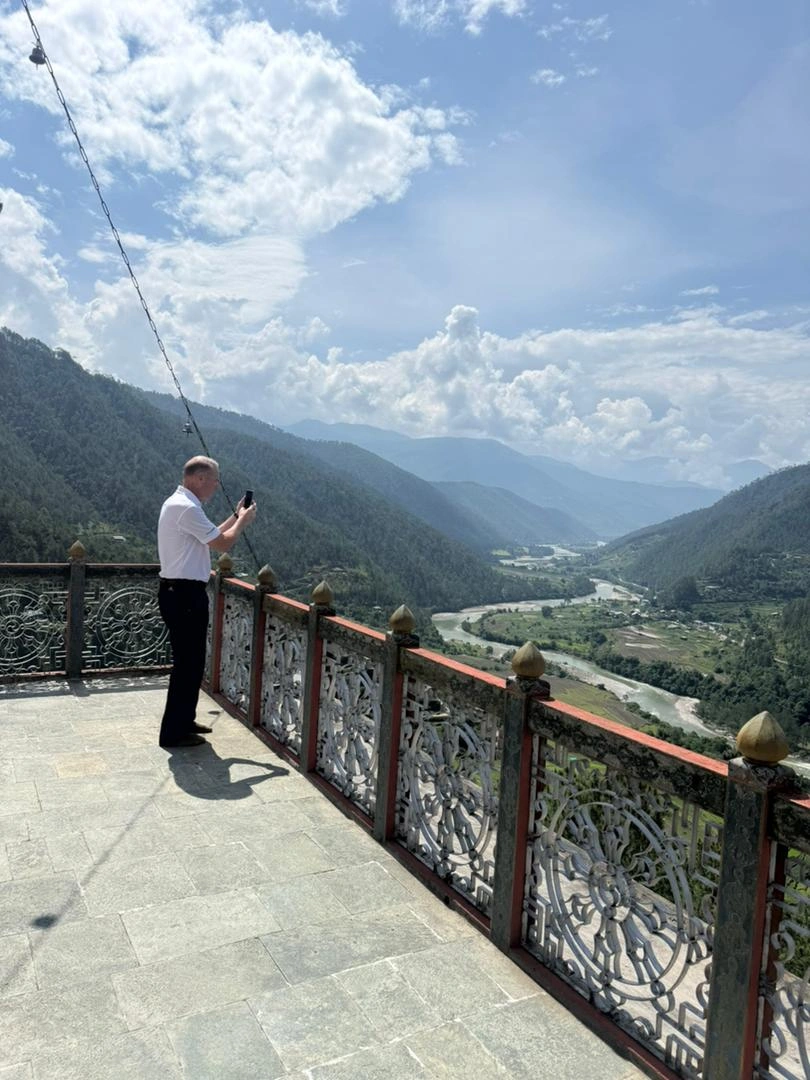
The trail passes terraced fields and coniferous trees. Soon, you will begin climbing uphill, crossing a river. Hike until you reach a rock platform from which you can see a gorgeous valley view. Further, you have to trek for two more hours to reach Gur for the night.

  • AccommodationTent-Camp
  • MealsBreakfast-Lunch-Dinner
  • Max. Altitude3,350m

From Gur, you will trek following high ridges, relishing rough and rugged landscapes. If you are trekking in the spring season, you can see meadows covered with flowers. Cross the Paga Labtsa Pass (4,250 m).

From there, you will see a beautiful view of Mt. Kanchenjunga and the Dagala range. The trail then descends to Labatamba Valley and passes by yak herder huts, reaching Utsho Tso Lake, a stunning turquoise lake. Enjoy the serene view of the lake, then walk to the campsite.

  • AccommodationTent-Camp
  • MealsBreakfast-Lunch-Dinner
  • Max. Altitude4,300m

Today, you will spend a rest day in Labatamba. Wake up early and have a big breakfast. After that, you will go on a hike to explore several nearby alpine lakes, such as Relitsho, Setsho, Hentsho, and Jagetsho.

During the hike, you will witness breathtaking mountain views and green hills. Have lunch and continue exploring the area. Return to your campsite to spend the night.

  • AccommodationTent-Camp
  • MealsBreakfast-Lunch-Dinner
  • Max. Altitude4,300 m/14,107 ft

Leaving Labatamba, you will walk uphill for 20 minutes and descend into the valley. The mountain views are phenomenal on this day. The trail ascends along the western side of Dala Tsho Lake. You can see many mountains from here.

Mt. Everest, Mt. Kanchenjunga, Mt. Jumolhari, Mt. Jichu Drake, Mt. Tshering Gang, Mt. Tsende Gang, Mt. Gangche Ta, Mt. Khangbum, etc. The trail descends past yak herders' huts to the Doccha Chhu River and then descends to Panka.

  • AccommodationTent-Camp
  • MealsBreakfast-Lunch-Dinner
  • Max. Altitude4,000 M

Leaving Panka, you will trek to Talikha, crossing many passes on the way. During the trek, you will come across many flowers and birds. It will be a lovely walk to Talikha. The trek ends here, and you will drive to Thimphu.

Stop at Wangdue Phodrang on the way and enjoy a fantastic view of the Dagala range. If the time allows, you will visit tourist sites like the National Library, Arts & Crafts School, Textile Museum, and Simply Bhutan Museum in Thimphu.

  • AccommodationThree-Star-Hotel
  • MealsBreakfast-Lunch-Dinner
  • Max. Altitude3,083m

It will be enlightening to visit the King’s Memorial Chorten (built in respect of the third king of Bhutan), Nunnery Temple, the National Library housing ancient manuscripts, and the School of Arts and Crafts, along with the paper factory and incredible Tshichhodzong.

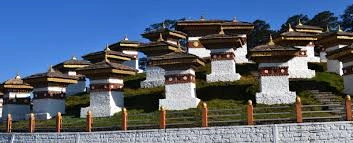
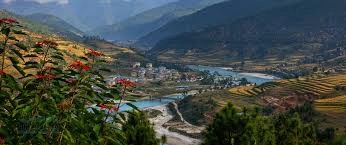
The journey to Punkha from Thimphu begins after lunch and stops at Dochula Pass (3,100 m) for a small tea break housing 108 chortens (stupas) with scenic views of rhododendrons, pine, and traditional villages where a rice field walk along the bank of the Punkaha River takes you to the Punkha village, marking the end of today's trek.

  • AccommodationThree-Star-Hotel
  • MealsBreakfast-Lunch-Dinner
  • Max. Altitude2,350m

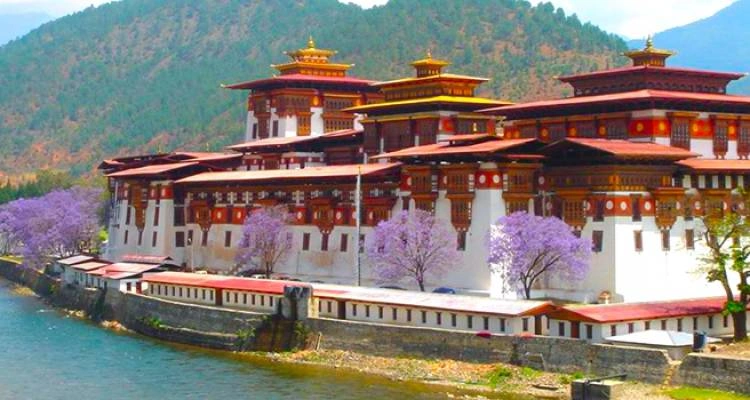
Since you are in Punkha, you will definitely not miss out on visiting the infamous Punakha Dzong situated in between the male and female rivers, shaped like an anchored ship, and then drive to Paro, which lasts for about 3-4 hours, covering 120km, that stops at Metshina village for an approximately 20-minute walk through the rice fields to Chimi Lhakhang, renowned as the temple of fertility dedicated to the Divine Madman, or Lama Drukpa Kuenley.

If you wish, you are free to visit Lama’s Wooden Phallus to receive blessings while the drive resumes through the Do Chu La Pass with top-notch Himalayan views. En route, you can also visit Druk Wangyal Monastery, the only of its kind in the country, which thereafter stops only at Thimphu, the capital city of Bhutan, before making it to Paro for the night.

  • Accommodation3 Star Hotel
  • MealsBreakfast-Lunch-Dinner
  • Max. Altitude2,250m

The city of Paro is home to Bhutan’s only international airport and the iconic Tiger’s Nest Monastery that you visited at the beginning of the journey; hence, this day, you will board an early morning flight to Kathmandu, which is possible only through Druk Air from Bhutan.

Filled with unforgivable memories of Bhutan, it can be a bit overwhelming to bid farewell, while Nepal also welcomes you with the stunning Himalayas and its several trekking, hiking, and climbing routes to once-must-set adventure.

  • MealsBreakfast

This itinerary is not suited for you? Plan your own trip.

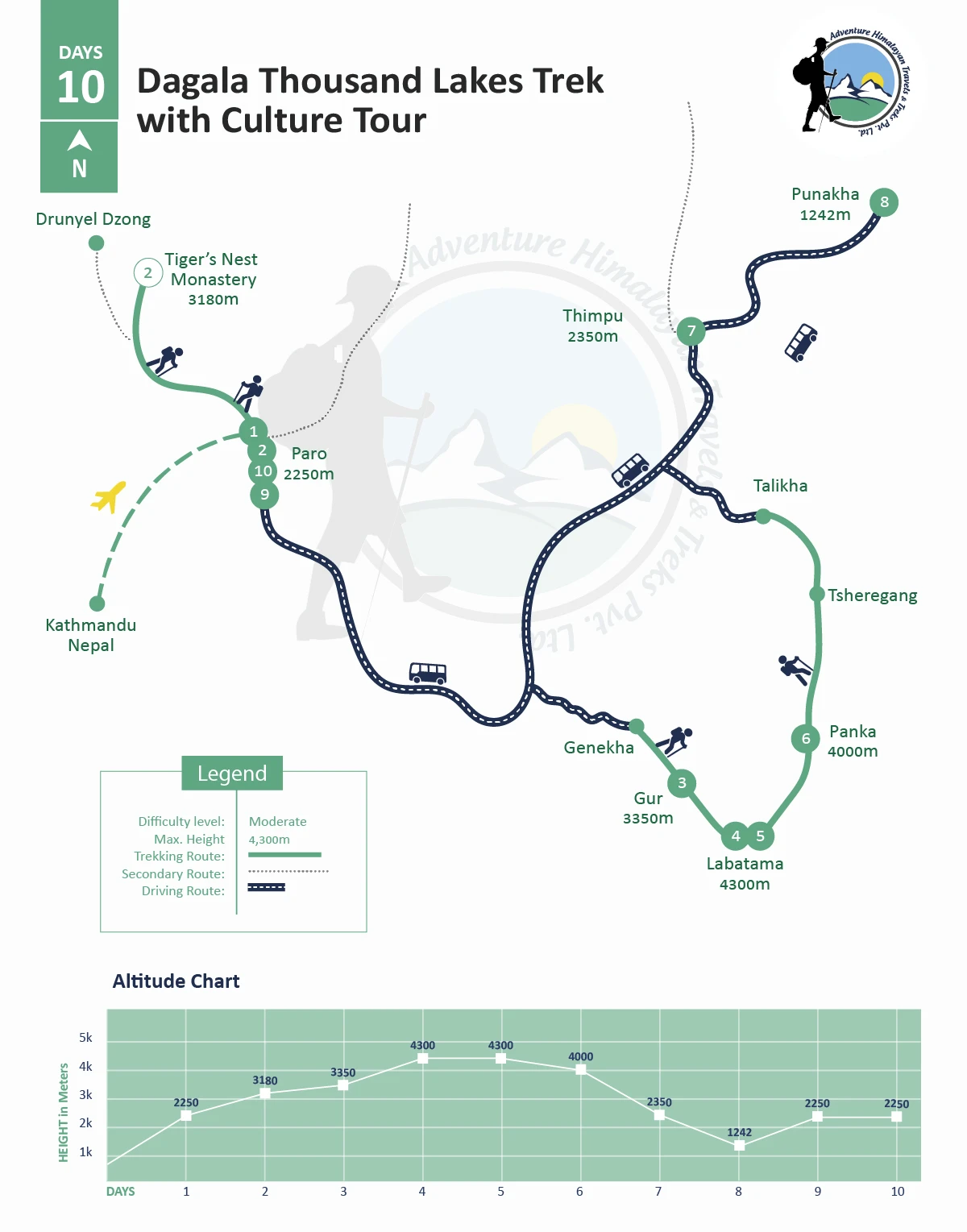
Route Map
Dagala Thousand Lakes Trek with Culture Tour - 10 Days Map
What's Included
Includes
  • All meals ( Breakfast, Lunch and Dinner) tea & snacks
  • Government approved A category hotels on twin sharing basis in city and camping during trekking
  • Roundtrip airport transfers and other transport as per itinerary
  • Experienced English speaking guides and local staff
  • All city tour
  • Bhutan Government daily royalties USD 100 per day, permits, sightseeing entrance fees for museums and monuments
  • Bhutan Visa fee
  • Porter and pack animals for the trekking
  • Trekking equipments like 2-men sleeping tents, dining tents, kitchen tents, toilet tents, and sleeping mats
Excludes
  • Airfare to/from Paro, Bhutan
  • Items of a personal nature (personal gear, telephone calls, beverages, internet , laundry etc.)
  • Trip cancellation and Medical/Evacuation Insurance
  • Tips for Staff/guide
Dates and Prices
Date PriceAvailability 
Start DateStarts: MondayMar 02, 2026End DateEnds: WednesdayMar 11, 2026PricePriceUS$3575StatusStatusAvailable
Start DateStarts: ThursdayMar 05, 2026End DateEnds: SaturdayMar 14, 2026PricePriceUS$3575StatusStatusAvailable
Start DateStarts: MondayMar 09, 2026End DateEnds: WednesdayMar 18, 2026PricePriceUS$3575StatusStatusAvailable
Start DateStarts: ThursdayMar 12, 2026End DateEnds: SaturdayMar 21, 2026PricePriceUS$3575StatusStatusAvailable
Start DateStarts: MondayMar 16, 2026End DateEnds: WednesdayMar 25, 2026PricePriceUS$3575StatusStatusAvailable
Start DateStarts: ThursdayMar 19, 2026End DateEnds: SaturdayMar 28, 2026PricePriceUS$3575StatusStatusAvailable
Start DateStarts: MondayMar 23, 2026End DateEnds: WednesdayApr 01, 2026PricePriceUS$3575StatusStatusAvailable
Start DateStarts: ThursdayMar 26, 2026End DateEnds: SaturdayApr 04, 2026PricePriceUS$3575StatusStatusAvailable
Start DateStarts: MondayMar 30, 2026End DateEnds: WednesdayApr 08, 2026PricePriceUS$3575StatusStatusAvailable
Useful Info

When is the best time to do the Dagala Thousand Lakes Hike with the cultural trip?

Spring and autumn, from March to May and September to November, are undoubtedly the best seasons for high-altitude treks and climbs requiring stable weather for a high success rate and enhanced experience, including for the Dagala Thousand Lakes Trek with Culture Tour. These times of the year feature the most stable weather with the least number of flight cancellations and other risks that summer and winter trekking pose.

Spring is further characterized by its blooming landscape, especially various species of rhododendron, and autumn coincides with some of the major festivals in Bhutan, such as Thimphu Tshechu, Wangdue Tshechu, and the Black-Necked Crane Festival. If you prefer, the Dagala Thousand Lake Trek is manageable in the months of winter and summer as well, but it is a must that you stay prepared for rain and cold temperatures.

Food and accommodation during the Bhutan Cultural Trek to Dagala Thousand Lakes

Only guided treks and tours are allowed in Bhutan, including the Dagala Thousand Lakes Trekking with a cultural trip; it must be organized by a licensed operator such as Adventure Himalayan Travels and Treks. For trekking days, we arrange all the daily meals for you, including breakfast, lunch, and dinner. They are hearty, with Ema Datsahi (chillies in cheese sauce) being the national food. If you have any strict dietary requirements, do inform us.

Whether you are looking forward to budget-friendly, standard, or luxury, Bhutan and its Dagala Thousand Lakes Trekking route most of the time allow us to make necessary arrangements for you, except for the days when you stay in camps. In general, the provided accommodations are dormitory style on a shared basis, ensuring you a comfortable stay in three-star hotels and meals more than enough to keep you energized.

The Dagala Thousand Lakes Trek with Culture Tour Difficulty Level: Can beginners do it?

Reaching the highest point at 4,300 m above sea level at Labatamba, the trekking journey to the Dagala Thousand Lakes with a culture trip is regarded as moderate in terms of difficulty. If you have a good level of physical fitness, anyone, regardless of their age and experience level, can complete this hiking journey in Bhutan. I.e. yes, if prepared well, the Dagala Thousand Lakes with culture tour is doable for beginners as well.

However, one thing that you do on high-altitude treks and climbs amidst the majestic Himalayas is underestimate the inherent risks that they carry, such as acute mountain sickness (AMS), commonly called altitude sickness. Preventable if acclimatized well: do not rush your step, maintain your pace, eat healthy, and most importantly, stay hydrated. Our guide does share the safety tips; make sure to listen to them well.

What are the documents and permits for hiking to Dagala Thousand Lakes in Bhutan?

Independent travelling and trekking in Bhutan are not allowed, and they do not issue permits for them. All tourists must book through a licensed tour or trek operator and be accompanied by a professional local guide. Yes, you may opt for private and solo trips, but it is for your better safety, cultural insights, and that you follow the tourism policy of Bhutan, you must hire a guide and obtain essential documents and permits.

First things first, you need a passport with at least six months’ validity for the Bhutan tourist visa, then a special trekking permit, and you also need to pay the sustainable development fee (SDF). While our Dagala Thousand Lakes Trekking with Culture Tour package cost does include management and fees for Bhutan Visa and trekking permits for your hassle-free experience, it is for you to arrange the flight to and from Paro.

Why is travel insurance a must for trekking to Dagala Thousand Lakes in Bhutan?

It is so that you have peace of mind while you are on a high-altitude trek in a country that may bear a completely different culture, customs, and terrain than yours. Travel insurance is also mandatory for trekkers and travelers visiting Bhutan, including for the Dagala Thousand Lakes Hiking with a cultural trip. We do not sell it, but strongly recommend you get comprehensive high-altitude coverage travel insurance.

Make sure it covers trip cancellation, delays, medical bills, helicopter evacuations, and loss or theft of luggage. On one of the rugged, remote, and high-altitude parts of Bhutan, with the potential risks of altitude sickness and injuries, travel insurance for the Dagala Thousand Lakes Hike with a culture tour provides you with financial security during unforeseen circumstances. Consider contacting your local agent, who can be held easily liable in need.

Send an Inquiry