Gosaikunda Trek - 8 Days

Good to Know
  • Duration 8 Days
  • Trip Grade Easy
  • Starts/Ends Kathmandu to Kathmandu
  • Group Size 1-10
  • Max. Altitude 4360
  • Best Season March, April, May and September, October, November

Highlights

  • Joyous drive to Dhunche and back to the Kathmandu Valley.
  • Lush forests, high alpine pastureland, high passes, glaciers, and moraines within the Langtang National Park.
  • A golden opportunity for a deeper cultural insight into the Tamang culture, customs, and lifestyle.
  • The tiny yet scenic traditional Tamang villages are made up of stones and mud.
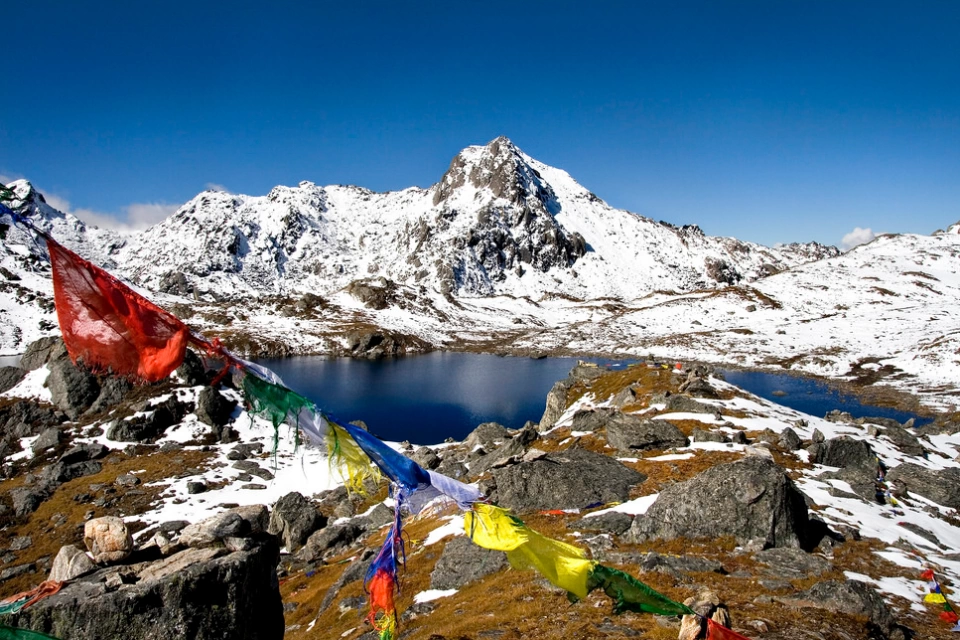
  • Numerous monasteries, mani walls, prayer wheels, and colorful prayer flags add to the serene ambience soak in spirituality.
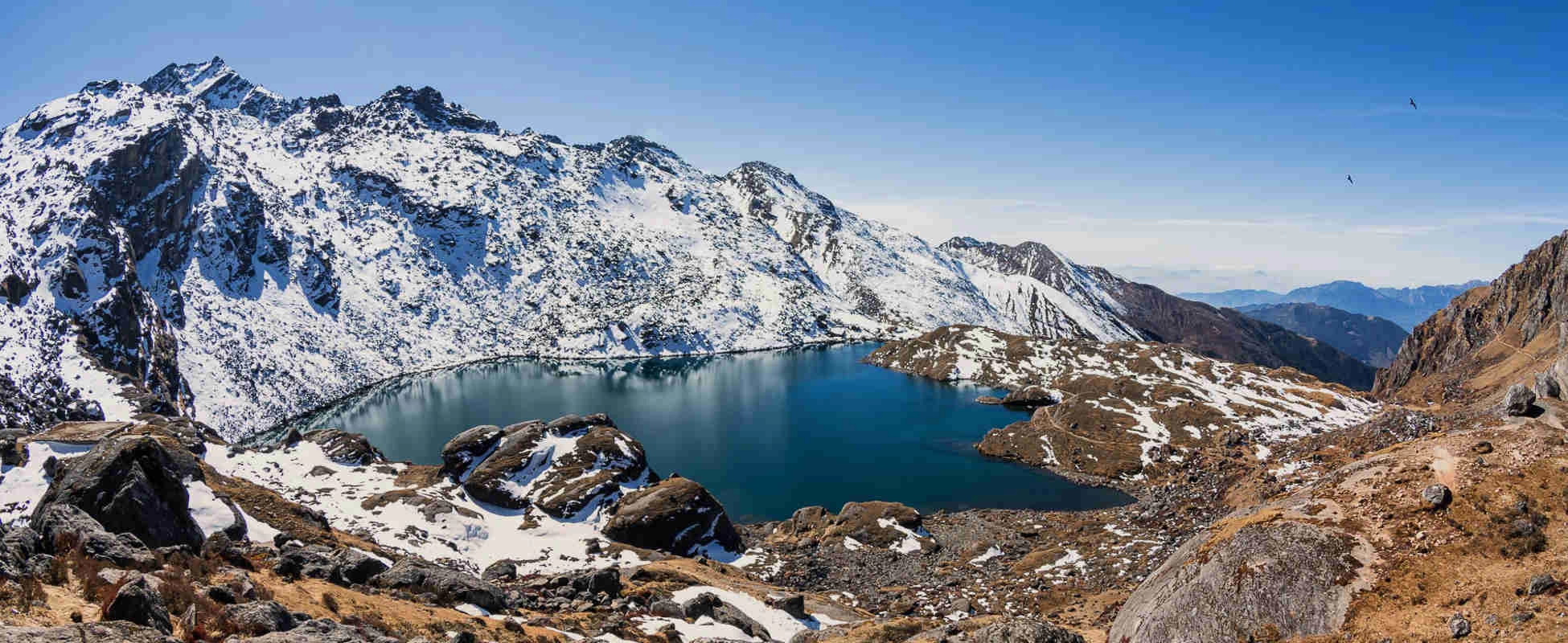
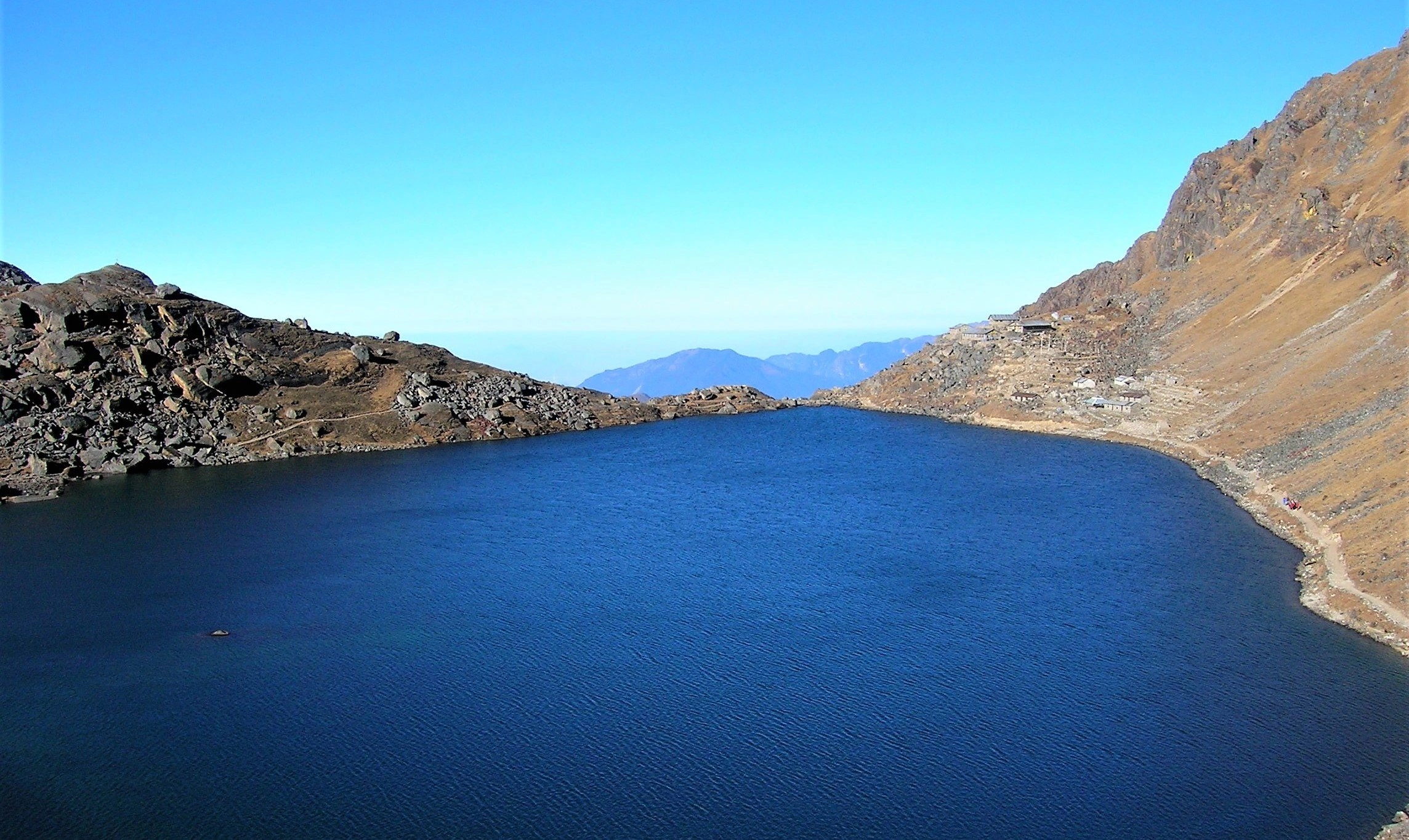
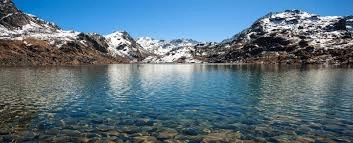
  • Reach the sacred alpine Gosaikunda Lake, a place where nature and culture come together.
  • Epic mountain views of the Langtang Himalayas are even more mind-blowing from high mountain passes, such as Lauribina La Pass, etc.

Trip Overview

The 8 days Gosaikunda Trek is one of the most popular short spiritual trekking routes in Nepal. The main highlight is the cluster of alpine lakes, Gosaikunda, situated at an elevation of around 4,380 m above sea level within Langtang National Park, the first Himalayan national park in Nepal, which is also known for the classic Langtang Valley Trek, Yala Peak Climbing, Helambu Trek, and the Tamang Heritage Trek.

North of Kathmandu, the Gosaikunda Trekking Itinerary of 7 days is shorter than the treks in the other popular Everest or Annapurna regions, such as the Everest Base Camp Trek, Annapurna Base Camp Trek, Everest Three High Passes Trek, and the Annapurna Circuit Trek, but it is no less challenging. High-altitude walking through the diverse landscapes that can drastically change from lush green forests to stark, rugged terrain, it is a must that you stay prepared.

If well prepared, the Langtang Gosaikunda Trek itinerary is enjoyable and manageable for anyone with a good level of physical fitness, whether they are first-timers or seasoned trekkers. Following an off-the-beaten-path, hidden trail rather than the standard route, the Himalayan trip to Gosaikunda offers a perfect blend of pristine natural beauty and rich culture, culminating at the religiously significant Gosaikunda Lake.

While our Gosaikunda Trek Cost includes the comprehensive package price for the years 2026 and 2027, it manages all the essential logistics such as daily meals, lodges, transportation, permits, and also mountain guides, their salary, insurance, and other day-to-day needs, we ensure you a hassle-free experience. The exact Gosaikunda trekking cost may vary based on the services chosen. Do not worry; we stand out for our transparency and are reasonable.

What to expect during the 8 days of Himalayan hiking to Gosaikunda Lake?

The Gosaikunda Lake Trek officially initiates from the beautiful hill town of Dhunche. 3,000 m below sea level is a walk through the forests' trails full of lush rhododendron, especially stunning during the months of spring when it blooms. Above 3,000 m are coniferous woods, which also leave the sight as you move closer and closer to Gosaikunda Lake. High alpine pastureland, high passes, glaciers, and moraines to Lauribinayak Pass—it is a thrilling experience.

What makes it even more interesting is the visit to Gosaikunda Lake that both Hindus and Buddhists revere, with its direct mentions in Hindu scriptures and epics like the Ramayana, Mahabharata, Vishnu Purana, and Bhagavata. While the Tamang are the natives of the Langtang region, where it falls, with a large number of them practicing Tibetan Buddhism, this harmony and the lake as a natural amphitheater as well make every step here worth it.

Is the Gosaikunda Lake Trek Route crowded?

No, in comparison to the highly commercialized high-altitude treks in Nepal, such as to Everest and Annapurna, including the shorter ones like the Ghorepani Poon Hill Trek, the Mardi Himal Trek, and the Everest Panorama Trek, yes, the Langtang Gosaikunda Trekking Trail is the least trodden and is one of the best off-the-beaten-path short Himalayan treks. It might be busier during the occasion of Janai Purnima, but the rest of the time, there are only a few trekkers.

Even during the times of the year in Nepal that are considered peak season for high Himalayan journeys, such as Mera Peak Climbing, Island Peak Climbing, the Manaslu and Annapurna Circuit Combined Trek, and the Tilicho Lake and Thorong La Pass Trek, i.e., spring and autumn, the Gosaikunda Lake Hiking Trail remains the least traveled through. It provides you with a perfect ambience for a deeper connection to serene nature and culture.

The Diversity of the Langtang National Park

As you already know, the Gosaikunda Lake Trek route is located within the Langtang National Park. Established in 1976, it is the first Himalayan national park of Nepal’s famous valley of glaciers, “Langtang Valley," and boasts a diverse ecosystem, like its diversity in landscapes, from lush forests of oak, bamboo, and rhododendron to barren terrain in stark contrast to the sky-towering snowy peaks stretched over to Tibet.

Spread over an area of 1,710 square kilometers covering parts of Rasuwa, Nuwakot, and Sindhupalchok districts, the park is the natural habitat of a wide range of flora and fauna, including rare species like red panda, musk deer, Himalayan tahr, Himalayan black bear, and snow leopard that you may spot on your very lucky day, including on the trekking journey to arrive at the sacred alpine lake of Gosaikunda. Keep your camera ready.

The heartwarming Tamang villages and culture

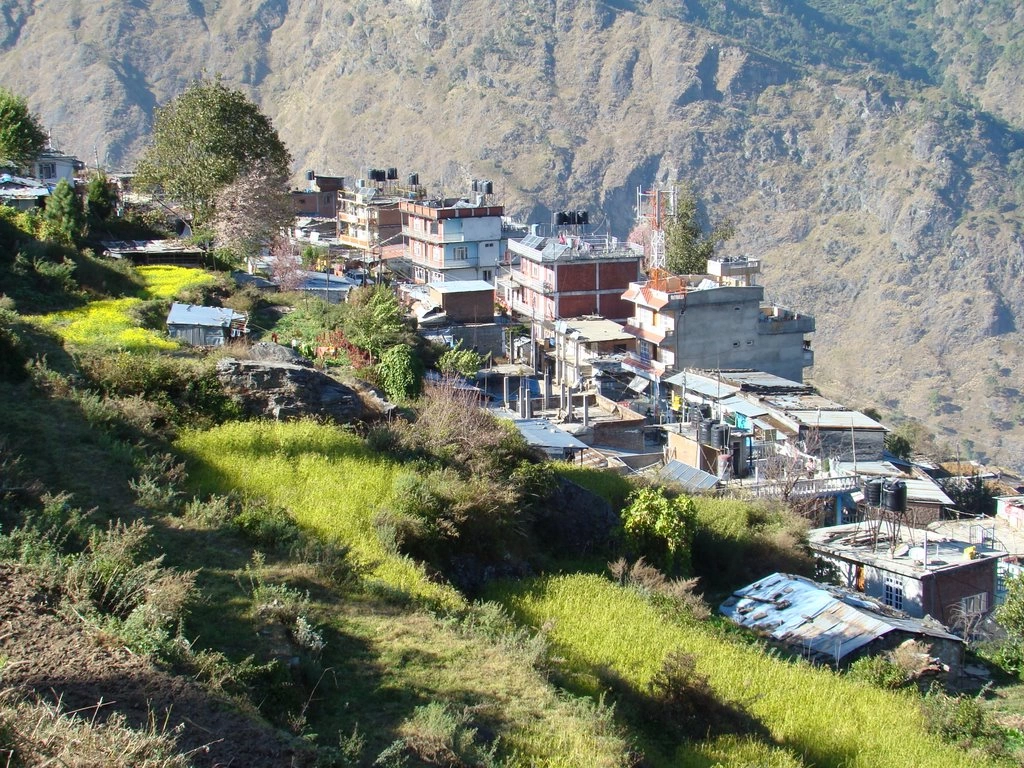
In the Langtang Valley and trekking region where the Gosaikunda Lake falls, the Tamang people are the natives of the land. Among the indigenous communities of Nepal, they take pride in their unique cultural identity, bearing their own attire, language, customs, and traditions. They celebrate their local festivals such as Lhosar ("Lunar New Year"), Tarna, Dhukpa Chheju, Buddha Jayanti, and Janai Purnima grandly.

Friendly and content with their simple life, with mountains as their protection gods, they are happy to have you there and share their rich culture, and the Gosaikunda Trekking is one such opportunity to have a real insight into their life. Especially when the walking journey to make it to Gosaikunda Lake includes passing by or staying at teahouses in between villages like Dhunche and Sing Gompa that often feature prayer flags, Mani walls, and chortens.

Gosaikunda Lake and its connection to Janai Purnima

Gosaikunda Lake, along with being one of the major natural highlights of the Langtang Himalayas, is also one of the most sacred lakes in Nepal. Situated at a high altitude of 4,380 m above sea level, the origin of the lake links to the Samundra Mantha and is said to have been created by Lord Shiva himself to soothe his throat burning due to inhaling poison to save the world. Especially during Janai Purnima, the lake water is said to be divinely blessed.

Also mentioned in several Hindu epics, pilgrims believe that bathing during Janai Purnima helps one earn merits and cleanse their sins, and is spiritually rejuvenating. You can meet a large number of spiritual leaders and shamans looking to renew their power from both the Hindu and Buddhist religions. Even if you are not one of them, Gosaikunda Lake’s natural beauty is beyond appealing, serene, and a perfect spot to meditate and practice mindfulness.

Which are the mountains to see on the Gosaikunda Trek?

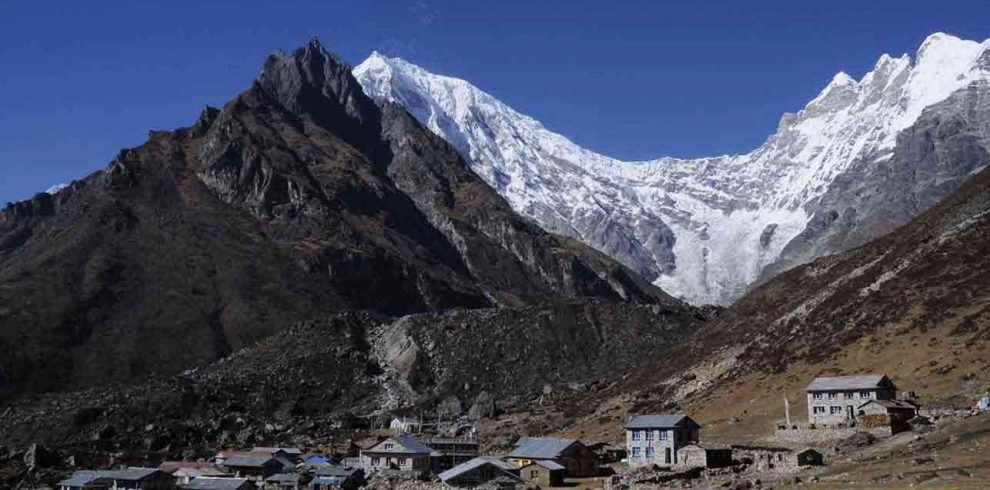
The dramatic and ever-changing mountain backdrop from the start to the end of the Gosaikunda hike is what makes it further intriguing. Langtang Lirung (7,227m), Ganesh Himal (7,422m), Langtang Ri (7,425m), Dorje Lakpa (6,966m), Kyungri, Langshisha Ri, Changbu, and numerous others are also what keep you inspired to continue during the trails with steep ascents, descents, and rugged sections, such as to Lauribina La Pass.

Undoubtedly, this is both the most physically and mentally challenging phase, as it is rewarding, so thorough preparation is highly recommended. On doing so, a gradual ascent from lower elevations and lush green hills to rugged alpine terrain with snow-capped peaks perched above the sky in tranquility, the sense of adventure and achievement during the Gosaikunda Trek is simply out of this world, a true Himalayan experience.

The Best Gosaikunda Lake Himalayan Trip Itinerary and Cost for 2026 and 2027

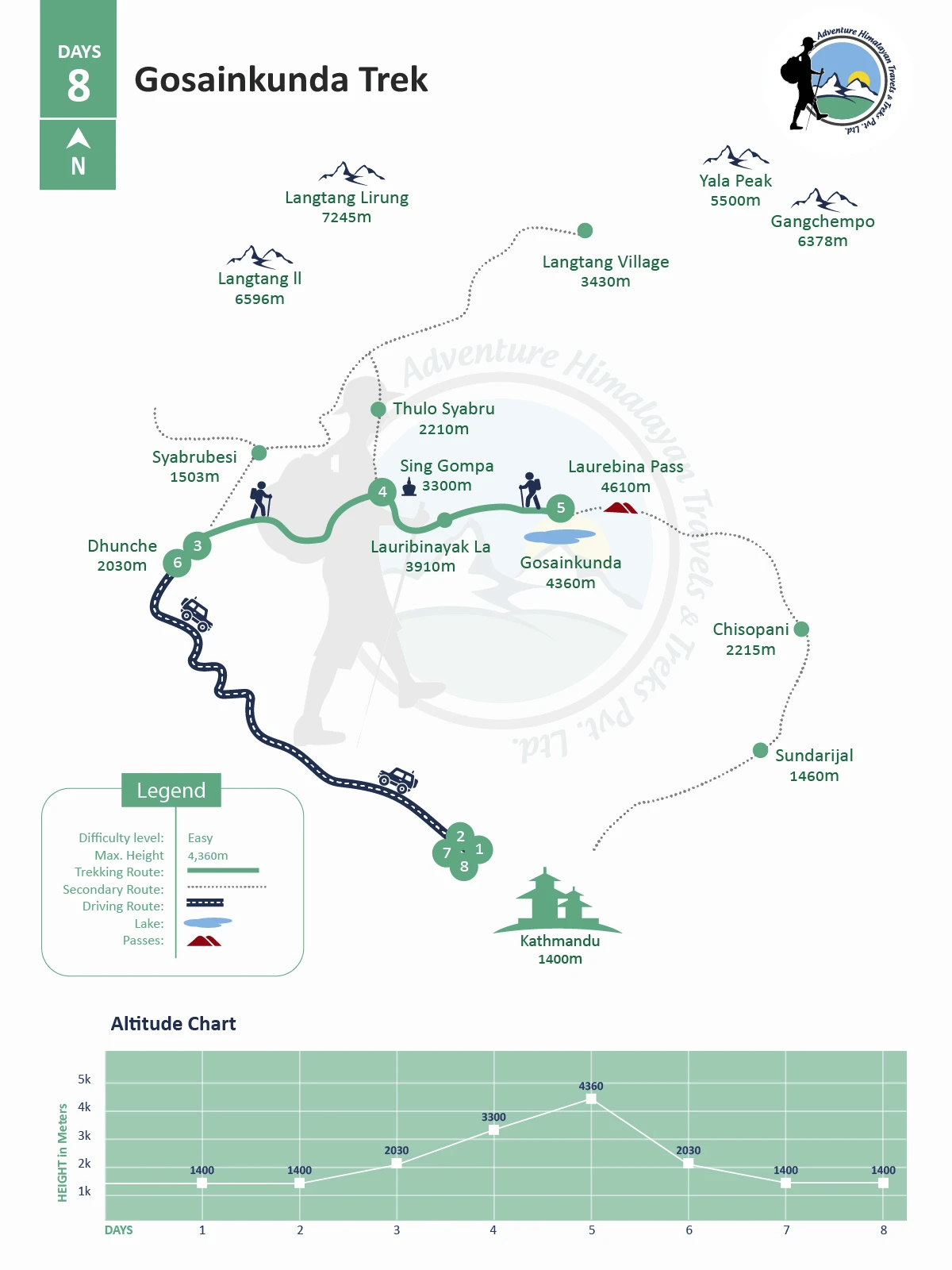
The 8 days Gosaikunda Lake Trek itinerary begins with your arrival at the Kathmandu Valley. The second day is when you officially make it to the trek starting point, Dhunche. From Dhunche, you trek to arrive at Sing Gompa and then finally to Gosaikunda Lake. Make your offering, pray, or simply take a holy dip. The next day is when you will start to retrace the Gosaikunda trekking route, and now it is time to return to Kathmandu.

This is a handpicked Gosaikunda Lake Trek itinerary from a professional mountain guide, and it is in regard to you having a balanced experience of culture, adventure, and scenery without having to compromise with your safety and comfort. Hence, it is considered the best Gosaikunda Lake Trekking, including for the years 2026 and 2027. Bookings are now open at Adventure Himalayan Travels and Treks.

Book early or with a group of more than 10 members and enjoy a special discount on the Gosaikunda trek cost. Do not miss this opportunity; contact us now and make this perfect package of Gosaikunda Lake trekking that combines natural and cultural fascinations for an unforgettable experience for you. Solo, group, or private, get your perfect Himalayan holiday in Nepal, Tibet, and Bhutan, customizable to meet your preferences and needs.
Itinerary
Expand AllCollapse All

A representative of ‘Adventure Himalayan Travels’ will pick you up from Tribhuvan International Airport of Kathmandu and take you to our hotel, where you will be shortly notified about your daily itinerary. Dinner will be served in the late evening at your free time. In the afternoon, feel free to explore the vibrant Thamel and the streets.

  • AccommodationThree-Star-Hotel
  • MealsWelcome-Dinner
  • Max. AltitudeApprox. 1,400m

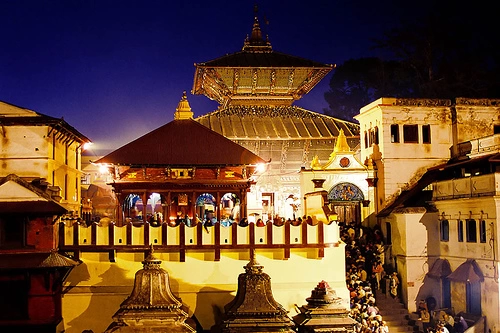
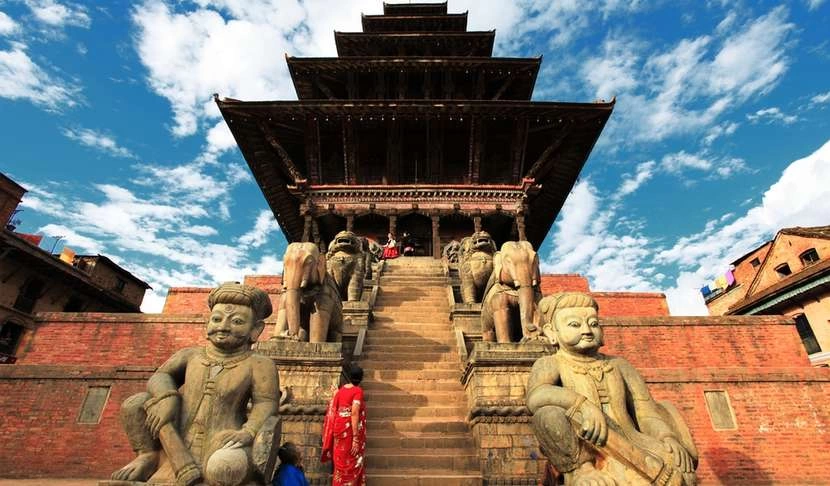
Kathmandu Valley includes several UNESCO World Heritage Sites, including Pashupatinath (a famous Hindu temple and cremation ground) and Boudhanath (a massive Buddhist stupa). You can also visit Swyambhunath and Patan, the city of fine arts, and in the afternoon, you meet your guide and check all the necessary things as part of proper preparation.

  • AccommodationThree-Star-Hotel
  • MealsBreakfast
  • Max. AltitudeApprox. 1,400m

As per the 8 days for the Gosaikunda Trekking itinerary, the journey officially begins this day with a drive. The road persists through twists and turns throughout the way. You will pass several cascading waterfalls and have views of green terrains and verdant forests. It takes about a 7-8 hr drive to cover the 119 km distance to make it to Dhunche. Overnight in a guest house.

  • AccommodationLocal-Tea-House
  • MealsBreakfast-Lunch-Dinner
  • Max. AltitudeApprox.2,030m

The 4th day of the Gosainkunda Trek makes its way uphill through schools and gompas, which takes us through the vibrant oak, fir, and hemlock forests to lead to Sing Gompa, a Buddhist monastery located at 3330 m. If time allows, explore around Sing Gompa to visit the yak cheese factory where local cheeses are manufactured.

  • AccommodationLocal-Tea-House
  • MealsBreakfast-Lunch-Dinner
  • Max. Altitude3,300m

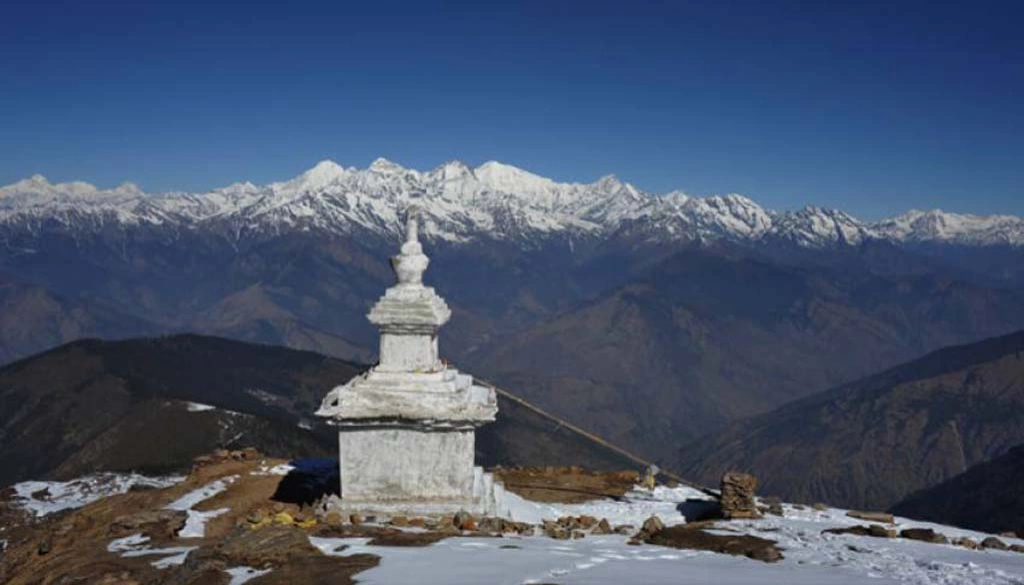
Brace yourself; the day you have been waiting for is finally here. Proceed through the stupa of Sakyamuni, which is further along the path and provides a spectacular view of the sparkling water of Saraswati Kunda all the way through Bhairab Kunda. Here, the path ascends uphill to Gosaikunda (4460 m).

  • AccommodationLocal-Tea-House
  • MealsBreakfast-Lunch-Dinner
  • Max. Altitude4,360m

Your return trip from Gosainkunda begins on this day, as you will walk down from Gosainkunda to Dhunche. The trail descends all the way to Sing Gompa, passing Lauribanayak with magnificent mountain views and eventually arriving at Dhunche. Descending trials, it is rather a pleasing hike with a unique perspective of the landscape you once walked through.

  • AccommodationLocal-Tea-House
  • MealsBreakfast-Lunch-Dinner
  • Max. Altitude4,360m

On the second-to-final day, you will drive from Dhunche to Kathmandu by private vehicle. Have breakfast in the morning at the guest house and begin the wonderful and scenic drive. It takes about five hours to reach the capital city. You will be transferred to the hotel once you reach the capital, and in the evening, there is a celebratory Nepali dinner.

  • AccommodationThree-Star-Hotel
  • MealsBreakfast-Dinner
  • Max. Altitude2,030m

Our representative will assist you in last-minute preparation and will drive you back to the airport from where you will return to your loved ones. If the flight is set in the afternoon, you will have ample time to visit Thamel one more time and buy some souvenirs or simply unwind. At last, we hope and wish you a safe journey and hope to see you again.

  • MealsBreakfast

This itinerary is not suited for you? Plan your own trip.

Route Map
Gosaikunda Trek - 8 Days Map
What's Included
Includes
  • 4 nights and 5 days of food and accommodation during trek (local lodge)
  • Transportation from Kathmandu to trekking departure point, and back to Kathmandu after trek
  • English speaking local expert guide, porters(porter carry maximum 20 k.g and one porter between two person)
  • Trekkers’ Information Management System (TIMS) fees
  • Langtang National Park entry fee
  • Three nights’ accommodation in Kathmandu at bed and breakfast
  • Airport transfers and escort
  • Farewell dinner in Kathmandu
  • Equipment & clothing for porter & staffs
  • Equipment (sleeping bag, first aid kit, oximeter etc.)
  • Insurance for all staff & porters.
  • Trekking achievement certificate
  • Adventure Himalayan Tshirt
Excludes
  • Nepal visa - Multiple Entry 30 days - USD 50  (Details in Visa Page)
  • International flight & all domestic airfare
  • Insurance for clients (i.e. helicopter evacuation, etc.)
  • Lunch & dinner during hotel stay in Kathmandu
  • Electronic charging fees at guest houses during the trek
  • Hot shower during trek
  • Alcoholic drinks, candies, etc.
  • Extra accommodation and meals outside of itinerary
  • Personal gears & clothing (available on hire)
  • Tips, any expenses incurred in emergency evacuation/road block due to any reason, table drinks, snacks while walking. 
Dates and Prices
Date PriceAvailability 
Start DateStarts: ThursdayMar 26, 2026End DateEnds: ThursdayApr 02, 2026PricePriceUS$690StatusStatusAvailable
Start DateStarts: MondayMar 30, 2026End DateEnds: MondayApr 06, 2026PricePriceUS$690StatusStatusAvailable
Useful Info

Can you go for the Gosaikunda Hike in summer?

Yes, the Gosaikunda Lake. Hiking for 7 days is manageable year-round, including summer (monsoon) seasons, which is typically taken as off-season for high-altitude treks and climbs, along with winter. However, it is a must that you are aware of seasonal challenges that come with summer treks, such as frequent rainfall with higher risks of floods, landslides, slippery trails, and, at high altitudes, having to deal with leeches.

You may need extra rain gear to make it successfully through the Langtang Gosaikunda Trek in summer, and in winter, from January to December, at high altitude, it gets extremely cold, unbearable for many, and like in summer, you have to add layers of clothing and also carry winter gear. So the best seasons for Gosaikunda Lake Himalayan hiking still remain spring and autumn, from March to May and September to November. Favorable weather, clear skies, and dry trails.

Food and accommodation on the Gosaikunda Lake Trekking Route

The Gosaikunda Lake Trek in the Langtang Himalayas is a teahouse-style trekking journey in Nepal. Along the trekking trail, you can find well-established teahouses, lodges, and guest houses at high altitudes and in more remote areas, primarily teahouses to take care of your daily meals and lodges. Typically, the menu consists of a mix of Tibetan and Nepalese dishes such as Chapati (Tibetan bread), varieties of eggs and potatoes, and Dal-Bhat-Tarkari.

In general, teahouses provide a room with twin-sharing beds and simple bedding (mattresses, blankets, and pillows). Both the bathrooms and toilets are on a sharing basis and are usually located outside of the teahouses. If you are someone who is concerned about privacy, at your request, we do our best to provide what is available, but it is a must that you remain flexible for the basic living standards, understanding the remoteness and ruggedness of the Himalayas.

How are drinking water and other amenities on the trekking trail to Gosaikunda?

Like food and accommodation, teahouses are the ones that provide you with drinking water and amenities like wifi, electricity to charge your electronic devices like cell phones, power banks, and cameras, hot showers, and others. Although the water from natural sources such as streams, waterfalls, and taps may look neat and clean and drinkable, it can be contaminated and hence is not recommended to consume directly.

The safest remains the boiled water, and it is refillable at various stopping places, usually at some cost. So are amenities, which at such high altitudes are a luxury for sure, and on treks in restricted areas such as the Upper Dolpo Trek, the Kanchenjunga Base Camp Trek, the Tsum Valley Trek, and the Nar Phu Valley Trek, they are almost nonexistent. Therefore, it is good to carry a high-voltage power bank while on high Himalayan treks.

Gosaikunda Trekking Difficulty: Can you go for solo hiking?

The trekking journey to Gosaikunda Lake is regarded as moderate in terms of difficulty. Reaching the highest point at 4,380 m above sea level, while it is considered doable even by first-timers, mostly for someone seeking a spiritual renewal, it is a must that trekkers have decent health and fitness. Seasoned trekkers used to high-altitude trekking and climbing conditions may find it more enjoyable, regardless of altitude being the major concern.

On rapid ascent to the higher Himalayas without proper acclimatization, anyone can suffer from the symptoms of acute mountain sickness (AMS) that, if not taken care of on time, can lead to fatal situations like HACE and HAPE. As per Gosaikunda Solo Trekking, yes, you may choose not to join a group, but you must be accompanied by a professional guide from a registered trekking agency such as Adventure Himalayan Travels and Treks.

Why hire guides and porters for a trip to Gosaikunda Lake?

Nepal banned free individual trekkers (FITs) strictly since April 1st, 2023; this means that whether you are on group, solo, or private treks, it is legally mandatory to hire at least a licensed guide. You may choose not to purchase the comprehensive Langtang Gosaikunda Trek or even hire a porter, but in the hills and mountains, local guides are your best friends. They are one of the keys to smoother high-altitude treks and climbs.

Besides leading the tough Himalayan terrains for you, a mountain guide also fills the cultural and linguistic gaps between trekkers and locals. They not only provide careful navigation but also share safety tips so that you can make the best out of the journey, including immediate assistance in case of emergency. On the other hand, porters lift a significant weight from your shoulder, so you save energy and time and fully immerse yourself in the journey.

Send an Inquiry