High in the rugged embrace of the Nepalese Himalayas lies the glacial world with one of the most sacred alpine lakes of the country, where the serene Himalayan winds whisper ancient hymns. Yes, that is Gosaikunda Lake for you. Often visited as a side trip to the main Langtang Valley Trek, this section is a brief discussion on what makes Gosaikunda Lake in Nepal a must-visit destination, including for the years 2026 and 2027.
Where is Gosaikunda located? What is the altitude of Gosaikunda Lake and the depth of Gosaikunda Lake? What is the distance from Dhunche to Gosaikunda Lake? What is the history of Gosaikunda Lake, and is it better to trek or include a helicopter tour? Let us take you through what attracts thousands of trekkers and pilgrims to Gosaikunda Lake each year. Near the Kathmandu Valley, it also has some essential tips to elevate the overall experience.
Table of Contents
Where is Gosaikunda Lake situated?
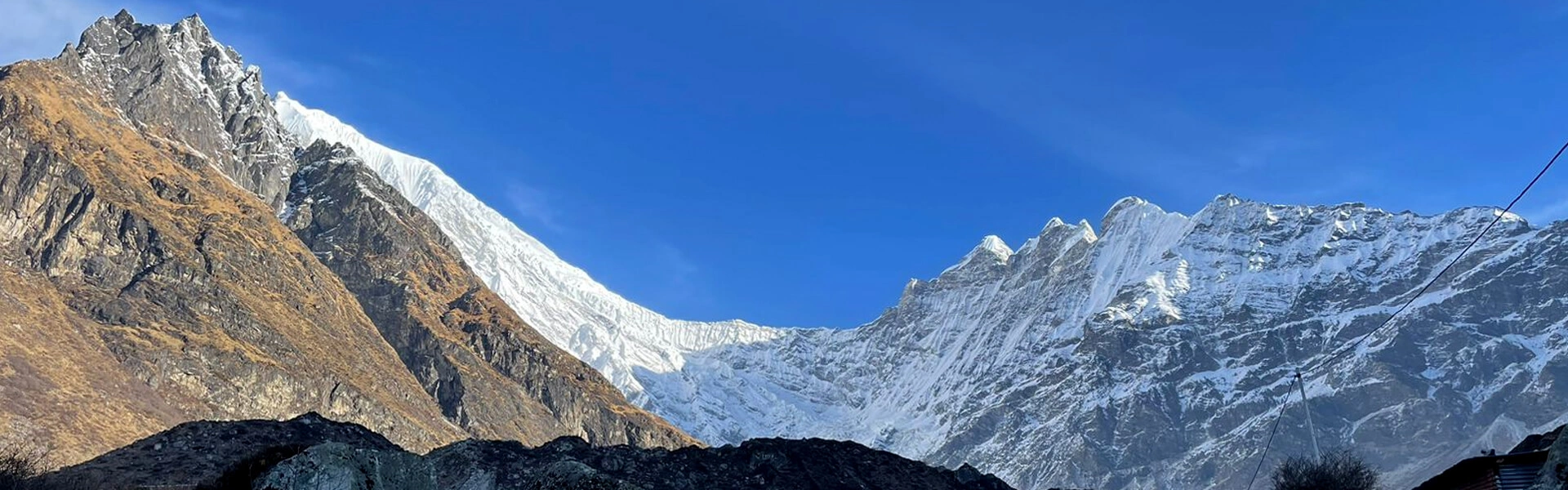
Amid a cluster of alpine lakes and sky-towering peaks, Gosaikunda Lake is in the Rasuwa District of central Nepal, which is further part of the country's first larger Himalayan National Park, the Langtang National Park. About 132 - 140 km (82 - 86 miles) north of Kathmandu (the capital city of Nepal), depending on the specific route chosen, it is one of the most fascinating natural and cultural destinations.
Usually, it is much less crowded than other popular Himalayan trekking regions, such as the Everest and Annapurna, famous for their high-altitude trek routes like the Everest Base Camp Trek, Annapurna Base Camp Trek, Ghorepani Poon Hill Trek, and the Mardi Himal Trek. Follow the trail that calls you the most either way; you will be treated with the unspoiled beauty, overall a true nature escape, including for the years 2026 and 2027.
What is the Gosaikunda Lake Height?
The primary source of the Trishuli River, one of Nepal’s major white water rivers, the Gosaikunda Lake altitude is recorded to be 4,380 m (14,370 ft) above sea level, so it is a must that you take elevation seriously. Fed by the glacial water of snow-capped giants such as Mt. Langtang Lirung (7,234 m), Ganesh Himal, Dorje Lakpa, and others at this altitude, the atmospheric pressure here decreases significantly by only 60%.
So make sure before you attempt to reach the Gosaikunda Lake height that your body has properly adapted to the challenging Himalayan surroundings. Otherwise, on rapid ascent, anyone, regardless of their age, fitness level, and experience, can come across the symptoms of acute mountain sickness (AMS), also called altitude sickness. If not taken care of on time, it can take fatal forms requiring immediate medical attention.
Area of Gosaikunda Lake and its depth
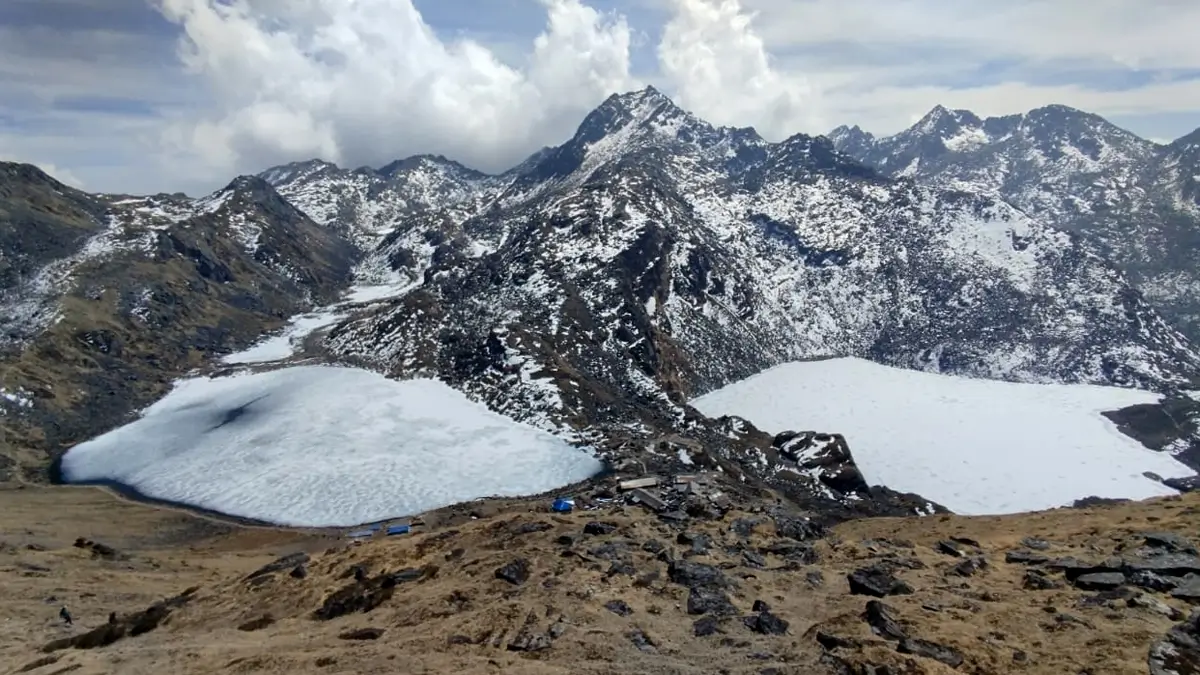
No, although the lake is held extremely sacred and significant and is surprisingly intimate among more than 100 alpine lakes in the Langtang region, it is not enormous. The area of Gosaikunda Lake is about 13.8 hectares (34 acres), surrounded by several smaller sacred pools clustered together, each with its name and legends, such as the Bhairab Kunda, Surya Kunda, Chandra Kunda, and Naga Kunda, all forming an exceptionally stunning natural amphitheatre.
Likewise, in terms of Gosaikunda Lake depth, it is 12 m, not as deep as some Himalayan lakes in Nepal. It supports a unique alpine ecosystem, local hydrology, and pristine natural beauty, a paradise for photography enthusiasts; it is not to be taken lightly. While many do take a bath in response to the religious beliefs, it is a must that you remain extra conscious and do not approach the secluded region alone.
Gosaikunda Lake History: The Divine Mythology
The Gosaikunda Lake has connections to most strong Hindu mythology. It takes you back to the time of the churning of the cosmic ocean (Samudra Manthan). According to it, Shiva (the god of destruction and power) was the one who inhaled the virulent Halahala poison to save the cosmos, and it caused him intense heat and excruciating pain in his throat. So to soothe it, he thrust the holy trident (Trishul) into the mountain face, and it formed three streams of lakes.
It is the Gosaikunda Lake, which, to this day, is believed to be extremely blessed by divine energy during the auspicious full moon festival of Janai Purnima, often coinciding with the months of August in the autumn season. Tens of thousands of Hindus and Buddhists, especially Jhakri (shamans), trek up here for a holy dip that is powerful enough to cleanse one’s lifetime of sins, cure skin ailments, and renew spiritual energy.
Wildlife and Nature Around Gosaikunda
Unfortunately, up to Gosaikunda Lake there is no direct road or heli connection; one must trek for at least 2 - 3 days through the Langtang National Park. Spread over an area of 1,710 square kilometres, it is also home to a diverse range of flora and fauna, including the rare red panda, Himalayan black bear, musk deer, snow leopard, Himalayan Tahr, and various species of alpine birds, including Himalayan Monal (the national bird of Nepal).
While there has not been any record of aquatic life in the Gosaikunda Lake itself, when you walk from the lower region of the Langtang to the upper Himalayas through the beautiful forests of pine, oak, bamboo, and rhododendron, you may see the above-mentioned wildlife in their natural habitat, adding to the thrill. This makes Gosaikunda Lake an equally fascinating destination for wildlife aspirants, especially during the spring season with the fresh blooms.
Looking at the sacred lakes of Gosaikunda from distant
Cultural Encounters Along the Trek Route to Gosaikunda
Like any other part of Nepal, the Langtang Himalayan trekking and climbing region is also home to diverse ethnic communities; specifically, the trekking routes to the Gosaikunda Lake and the Tamang people are predominant. On the combined Langtang Valley and Gosaikunda Lake Trekking, the villages that you walk past or stay at, such as Kyanjin Gompa, Lama Hotel, and Thulo Syabru, are where you come across the Tamang people.
With close cultural ties to Tibet and Tibetan Buddhism, their hospitality is genuine and warm, often offering a home-away-from-home-like ambience, while the several Buddhist monasteries, mani walls, prayer wheels, and stone-roofed houses, often adorned with colourful prayer flags, are their representation. If you want to experience the region in its most vibrant state, it is best that you check out the calendar and do your booking in local festival seasons.
How is the journey to Gosaikunda Lake from Dhunche?
The Dhunche to Gosaikunda route is the shortest and most direct path. From Kathmandu, first you drive to Dhunche, the administrative headquarters of Rasuwa, and then begin hiking, which is a steady climb through thick pine, oak, and rhododendron forests at Chandanbari, famous for Sing Gompa. Then is a bit of a challenging section, including the crossing of Laurebina (one of the high mountain passes of Nepal), before finally making it to the alpine Gosaikunda Lake.
It takes around 5 to 6 days for a round trip and is best suited for seasoned trekkers who are familiar with high Himalayan adventures in Nepal. First-timers can complete the trip; however, it is a must that one be physically fit and enjoy long walks. Otherwise, it is best done combined with other Langtang Treks, such as with the Tamang Heritage Trek Trail and Helambu Trek, and best with the standard Langtang Valley Trek, as it allows ample time for acclimatisation.
Which is the best Gosaikunda Lake Trek?
Whether you choose the remote and restricted treks in Nepal, like the Upper Mustang Valley Trek, Kanchenjunga Base Camp Trek, and the Upper Dolpo Trek, or the popular ones of less crowded Gosaikunda Lake, the best trek is the one that addresses your fitness level, time constraints, budget, and travel goals. Adventure Himalayan Travels and Treks is an experienced operator offering customisation options.
Or simply choose one of our comprehensive Gosaikunda Lake Hike packages, among which 16 days is one of our best Langtang Valley Gosaikunda Lake Hiking Itineraries, carefully crafted to ensure you maintain your pace, do not miss any of the major highlights, and make the most out of your journey. Further, in spring and autumn, the ideal seasons, we offer guaranteed departures. Join our group or plan a private trip; we are here for you 24/7.
Who may like the Gosaikunda Lake Helicopter Tour?
Everyone may not have two weeks to spare, and at this time the best option is the Gosaikunda Lake Helicopter Tour. An ideal choice for those who may not be considered fit for a challenging high Himalayan adventure, or want to directly skip to the best part of the Gosaikunda Lake Hiking, and are not ready for several days of high-altitude trekking. Here, joining a group for the helicopter tour also involves sharing the cost, making it the most budget-friendly option.
However, it may still be pricier than the standard Gosaikunda Lake Trekking. Despite this, it offers the fastest and most comfortable way to reach the shore at 4,380 m above sea level. Experience the lake’s spiritual power without the physical strain in a single day. Adventure Himalayan Travels and Treks, with 99 reviews and a rating of 4.8/5, can make the essential arrangements for you so you make the best out of the journey, whether trekking or heli flight.
Practical Tips for a seamless Himalayan trip
Whether you choose to hike to Gosaikunda Lake or ride a helicopter, first things first, it is a must that you give your body proper time for adaptation. Do take altitude seriously and respect the terrain and local culture. Stay hydrated and also open to culture, customs, and traditions, which may be completely different from norms and values you have been brought up with. Pack the right gear and equipment to stay warm and comfortable and for increased mobility.
Well-broken, sturdy trekking boots, trekking poles, and three layers of clothing are the basics that you may choose to carry all the way from your hometown or visit Nepal’s infamous tourist town and rent, borrow, or purchase the ones that suit you the most. Then it is strongly advised that you book with professional operators such as Adventure Himalayan Travels and Treks. We are strictly guided by eco-friendly tourism; for a meaningful trip, book with us now.
Conclusion
Gosaikunda Lake is more than just a destination on a map; it is one of the true natural and spiritual treasures in the heart of the Himalayas, the place that is called the Valley of Glaciers, which must be added to your bucket list, including for the years 2026 and 2027. From the legends of divine origin to one of the vital Ramsar wetland sites, get to experience a rare harmony of peace, mystery, and natural awe and collect memories of a lifetime.
Book the trek to Gosaikunda Lake or a heli tour, or combine them in a single trip with a well-experienced, trained, and licensed travel, trek, and tour agent, Adventure Himalayan Travels and Treks. Contact us now to reserve your seat. Group, solo, private, or family, for a personalised Himalayan holiday journey, we stand second to none. Book early or with a group of more than 10 members and enjoy our exclusive discounts.
Rana Bahadur Khadka
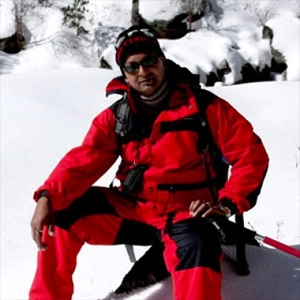
In the world of outdoor adventure and exploration, only passionate individuals immersed in the wilderness can be travel guides in Nepal! My name is Rana Bahadur Khadka, and I am from Taplejing, Nepal. Born in 1971, I have collected 30 years of extensive knowledge in travel and tourism as a mountain guide and trip organizer. I have always been fond of exploring and navigating various gorgeous corners of the world and the challenges offered by nature.
I hope that my over two decades of honed skills in mastering the art of leading treks safely, ensuring the participant's memorable and transformative travel experience, and my vivid insight into the world of adventure, nature, and self-discovery help you bridge the gap between the pristine Himalayan grace and the human spirit as an ambassador of the wilderness.
Drop us a message
Latest Travel Guides
Our travel guides giving you travel insights, ideas, and tips across the Himalaya.