Understanding the Kailash Mansarovar Travel Season
The Kailash Mansarovar Tour has now become manageable year-round. Adventure Himalayan Travels and Treks, established in 2011, has years of experience delivering memorable Himalayan holidays in Nepal. On your request, we can do it for you. It cannot be denied that there are optimal times when you have the best weather, climate, visibility, and lower risks. In contrast, some seasons require extra preparation for what is inherent to trekking at that time.
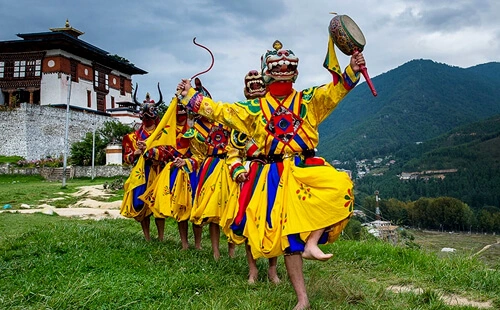
At high-altitude regions guarded by the majestic Himalayas, whether it is in Nepal, India, Bhutan, or Tibet, following the classic Everest Base Camp Trek route, the Annapurna Base Camp Trek Trail, the Langtang Valley Trek, the Spirit of Bhutan Tour, the Tibet Culture Tour, or the Pilgrimage Tour to Kailash Mansarovar, the extreme weather conditions do greatly affect the physical and spiritual dimensions of the journey.
Overview of Seasons in Kailash Mansarovar
Season | Months | Daytime Temp (°C) | Nighttime Temp (°C) | Main Features |
Spring | April- June | 5°C - 15 °C | -7°C to 0°C | - Clear skies
- Crisp air
- Excellent Visibility
- Saga Dawa Festival
|
Summer (Monsoon) | July – August | 8°C to 20°C | 0°C to -5°C | - Warm temperature
- Higher humidity
- Rain on transit route from Nepal
- Cloudy peaks
|
Autumn | Sept – Mid-Oct | 5°C to 12°C | -8°C to -2°C | - Longer daylight
- Cool dry winds
- Most favourable mountain weather
- Crystal clear visibility
|
Winter | Nov – April | Below 0°C | -15°C to -25°C | - Extremely cold in the early morning and nights
- High chances of heavy snow blocking paths on passes
- Closed travel permits
|
What to expect during the Kailash Darshan during the spring season?
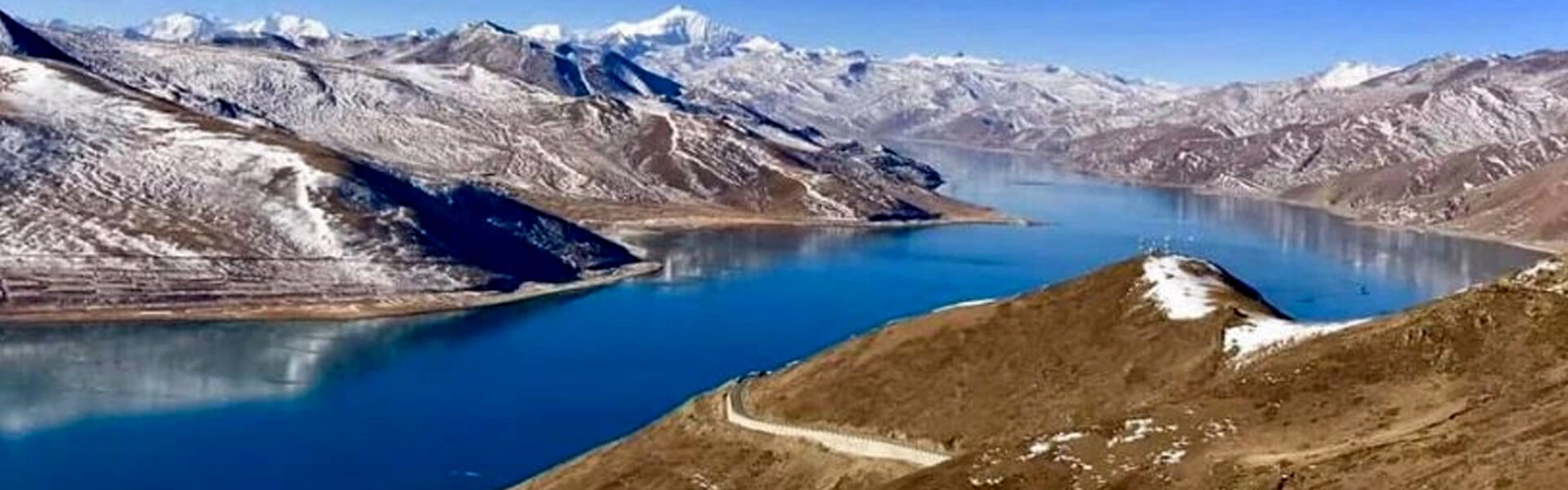
Typically, the spring season spans from March to May. Generally a pre-monsoon season; in the lower region, you come across lush valleys and forests, and at higher elevations, the snow begins to melt, and the Kailash Mansarovar Yatra road also gradually reopens. Though nights can be cold and there might be occasional snowfall at higher regions with snow patches such as Dolma La Pass at 5,630 m, most of the time, you have a pleasant temperature.
Ranging anywhere from 5°C to 15°C, those trekking to Tibet at this time of the year to complete the Kailash Kora with a side trip to Mansarovar Lake or solely do the Adi Kailash Yatra in addition can expect fresh mountain scenery, clear skies, mind-blowing visibility, and also extra hours of sunlight for walking, allowing proper acclimatization. With stable weather, flight delays and cancellations are also rarely heard of these days.
Can we go to Mount Kailash in the summer? How is the journey?
Yes. While often summer is taken as an off-season for high-altitude treks and climbs in Nepal, as it is also the monsoon season when it rains heavily, western Tibet, where Mount Kailash lies, is in the trans Himalayan region and receives less rainfall. Therefore, instead, it is regarded as one of the best times for the pilgrimage tour to Kailash Mansarovar from July to August, where the early summer often coincides with Saga Dawa.
You have one of the warmest temperatures, making it comfortable for trekking and spiritual activities at such height from 15 to 20°C. However, it does not mean there is nothing to worry about at all. In the lower region, you may still come across rainy weather, while some areas are prone to landslides and floods, such as Kerung during the overland journey. At high altitude, summer nights can still drop to 0 - 5°C or lower for you to prepare accordingly.
Is autumn the best season for Kailash Mansarovar yatra? What makes it stand out?
Post-monsoon seasons are when the green leaves of the forests begin to shed their color; hence, they are called the fall as well, i.e., the autumn seasons, and are best known for the clearest skies and longer daylight. From September to mid-October, the temperature feels just right for high Himalayan trips, not only in Nepal but also in Bhutan and Tibet, including for the Kailash Darshan. The snow over the Dolma La Pass would have stabilized.
A dust- and haze free environment as the summer rain would have washed it all away., cut down of cold and slippery, i.e., little mud or ice, the trail stays firm and roads are passable, and the dramatic contrast between snow-capped peaks of Kailash, blue skies, and surrounding dark granite rock, the scenery is a dream come true moment for any photography enthusiasts. No wonder it is noted as the ultimate best time for Kailash Kora.
Can you visit Kailash in the winter season?
No, it is because the Kailash Mansarovar region during the winter season experiences extreme cold from morning to evening, with most of the time subzero temperatures and heavy snowfall. From November to April, Kailash Travel, treks, and tours are not advisable. Almost all the trekking routes and mountain passes such as Dolma La Pass become treacherous, guesthouses are also closed, and roads are blocked.
I.e., the trail for the Kailash Mansarovar Yatra during winter is almost completely inaccessible. Especially when all official tour operators such as Adventure Himalayan Travels and Treks and permit offices close their services. So the best thing to do is reschedule your visit for Kailash Darshan to the May-September window or go to other sacred Himalayan destinations in Uttarakhand, Adi Kailash Kora; it could be one of the best times, or Overland Group Joining Tibet with EBC Tour and Forbidden Lhasa and Everest Base Camp Tour.
Which is the best month to visit Kailash Mansarovar?
By now you must have been clear that the spring, autumn, and summer seasons are regarded as ideal seasons for doing the Kailash Kora, and it is best to avoid winter. Now it is for those wondering which month is most favorable for the Kailash Mansarovar Yatra. Don't worry, we've got you. They are the months of May and September. Precisely, it still may vary greatly based on your individual preferences, travel goals, and areas of interest.
In terms of the best Kailash weather, temperature, visibility, and trail conditions in general, the best months to go on the Kailash Mansarovar Yatra, including for the years 2026 and 2027, are May and September. May comes with the crisp spring air, atmospheric clarity, and dry trekking trail conditions. Likewise, September brings blue skies, favorable weather, and fewer crowds than other popular seasons for visiting Kailash Mansarovar in Tibet.
When is the best Kailash weather?
Ngari Prefecture in Tibet, where Mt. Kailash and the sacred Mansarovar Lake are situated, has an alpine dry desert climate. Strong UV radiation, low atmospheric pressure, and constantly changing weather and temperature, followed by persistent winds, even in the seasons taken as Kailash Darshan best time, make it important that you stay aware of the inherent risks and prepare yourself accordingly with the right gear and equipment.
Otherwise, for maximum peak visibility, May or September features the most ideal weather with minimal rain and cloud cover. For the warmest weather conditions, July and August stand second to no one, especially when you make up your mind for occasional clouds and potential transit delays in Nepal. As per the most favorable time to begin the tour, it is early in the morning, so you do not encounter the strong afternoon storms.
Which month is best for Kailash Mansarovar Tour to observe the festival?
Celebrated according to the Tibetan lunar calendar, Saga Dawa (Buddha’s enlightenment day) is the biggest and largest festival celebrated in the Kailash Mansarovar region. Spanning a month, 1 kora at this time is said to be multiplied by 100,000 times, and so are the merits, especially during the Fire Horse Year that is believed to come once in 60 years. In 2026, it was on May 31, and in 2027, it falls in September.
The harvest moon on September 16, 2027, opens up Pitru Paksha, which is considered a sacred period for honoring ancestors, so if you are keen on experiencing the festive vibes at Kailash Mansarovar, it is best done in the months of May, June, or September. Thousands of pilgrims across the globe gather together, with the major highlights including the raising of a giant prayer flag and the Tarboche Flagpole. Reserve your seat now.
Some essential tips for journeying to Kailash Mansarovar
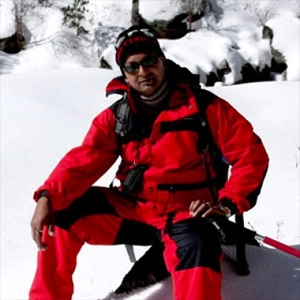
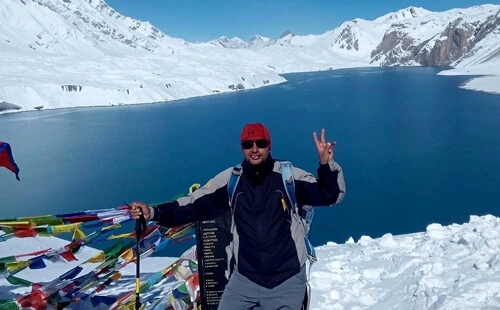
Regardless of when you choose to travel to Tibet for Kailash Mansarovar, whether during the best seasons and months or at other times that are considered less ideal, it is essential to understand that you will be journeying 3,000 m above sea level for several days, which poses risks of acute mountain sickness (AMS). Likewise, it is for every traveler to respect that in Tibet, only guided tourism is allowed, requiring all tours to be organized through licensed agencies.
They are the ones who help you secure the Tibet Travel Permit, Alien’s Travel Permit, and Military Permit. So make sure the Kailash Mansarovar Yatra itinerary that you choose ensures rest and proper acclimatization. Choose a government-registered Tibet travel organizer such as Adventure Himalayan Travels and Treks. With more than two decades of experience with us, you are in reliable hands with 4.7/5 ratings on Tourradar.
Conclusion
The Kailash Mansarovar Yatra is far more than a Himalayan trip. Filled with profound spiritual experience, it is a life-changing pilgrimage and even better when you know the best seasons, months, and weather, which, however, may vary greatly on an individual's specific plan if you have any. If Saga Dawa is intended, it usually falls in late spring or early summer; if beginners and best weather are preferred, it is best to save a spot in May.
Contact us, and let us know when you wish to visit the Kailash Mansarovar, whether it is for spiritual renewal, photography, or enjoying a memorable Himalayan holiday. When you share your plan, we are happy to customize the trip accordingly for you, including for the years 2026 and 2027. Warmer days in summer, crisp blue skies of autumn, and blooming landscapes of spring—pick the right season with the guide above for a rewarding experience.