Where Is Tibet Located?
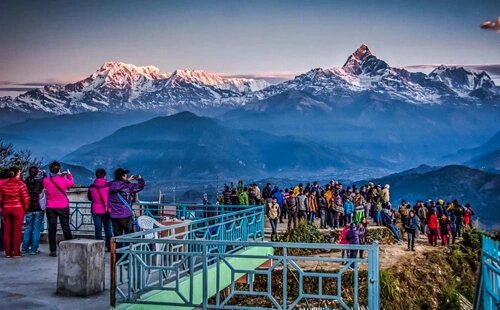
The Tibet Autonomous Region, covering an area of 1.2 million square kilometers on the vast Tibetan Plateau—the highest and largest plateau on the planet—sits in southwest China. Bordered by India, Bhutan, Nepal, and Myanmar, behind the towering Himalayan mountain range, Tibet's average altitude exceeds 4,000 m (13,000 ft), with the highest point at Mt. Everest (8,848.86 m) on the border with Nepal; the mountain scenery from here is simply unparalleled.
Towering mountains, sacred lakes, monasteries, and well-preserved ancient Buddhist practices, it is equally cherished by those keen on spiritual wellness and cultural exposure as it is by individuals inspired by unique trans Himalayan desert like landscapes at high altitude in contrast to lush valleys below. Also home to the iconic Mt. Kailash, holy not only to Hinduism but also to Buddhism, Jainism, and Bon, no wonder it attracts a great number of pilgrims every year.
What's the capital city of Tibet?
Lhasa, whose name translates to “city of gods," is the capital of the Tibet Autonomous Region. Within the broad valley along the Lhasa River (a major tributary of the Yarlung Zangbo River) at the base of Mt. Nyainqentanglha, the name itself reflects its sacred importance, especially when it features several temples and monasteries, and is the starting point for those journeying to landmarks with both cultural and spiritual significances in Tibet.
Inclduing for Mt. Everest Base Camp Trek, Shigatse, Yamdrok Lake, Mansarovar Lake, Mt. Kailash, and others, people often begin the trip from Lhasa. Hence, it has been the center of political, religious, and cultural life in Tibet for centuries. Dating back more than 1,300 years, it at first rose to prominence during the 7th century with the unification of Tibet by King Songtse Gampo, who established Lhasa as the political center, which remains visible till today.
Understanding the Altitude of Lhasa
While elevation of Lhasa is significantly lower than most of the major destinations you reach during the Nepal treks such as the Everest Base Camp Trek (5,545 m at Kala Patthar), Annapurna Base Camp Trek (4,130 m), the Manaslu Circuit Trek (5,106 m), the Langtang Valley Trek (5,033 m), and the Annapurna Circuit Trek (5,416 m) at 3,650 m - 3,700 m above sea level, it is not to be taken lightly. Give your body time for adaptation.
If rushed, anyone can suffer from the symptoms of altitude sickness, which include symptoms like headaches, nausea, extreme fatigue, shortness of breath, and difficulty breathing. So, you must plan a slow first day with ample time for rest and listen to your body. Keep yourself hydrated, eat healthy, maintain your pace while walking, and if you have any health conditions, including heart and lung conditions, speak with medical professionals at first.
How to Reach Lhasa: Navigating Airport Lhasa
Gonggar International Airport is the one referred to as Airport Lhasa or Lhasa Airport, located in Gonggar County. From central Lhasa, it is about 60 to 62 km and is usually about a 40- to 90-minute drive based on the traffic of the day, route chosen, and transfer arrangement as per itinerary. What you have to note here is that despite sharing a border, you may not find commercial flights from Bhutan, Myanmar, or India, and overland entry is not allowed.
So the easiest gateway for international travelers is Nepal and mainland China itself. From Kathmandu, Nepal, you may choose to directly fly over or do an overland entry via Rasuwagadi/ Kerung or Gyirong as such during the Nepal Tibet Cultural Heritage and Nature Experience Tour, Forbidden Lhasa and Everest Base Camp Tour, and Lhasa - Everest Base Camp to Mount Kailash Tour that we offer. Meanwhile, during the Tibet Culture Tour, you will fly to Lhasa Airport.
Potala Palace in Lhasa: Must-visit places in Lhasa
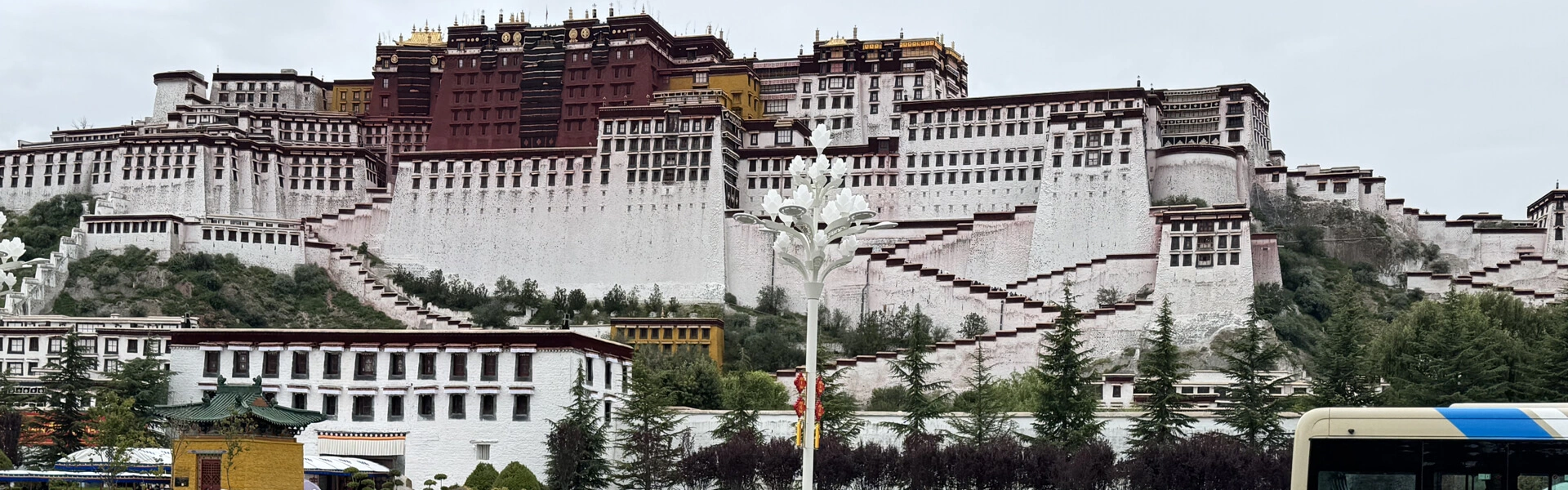
On the top of majestic Marpo Ri (Red Hill) is the winter residence of the Dalai Lama in Lhasa, and it is the Potala Palace for you. Built by the 5th Dalai Lama in the 17th century, it consists of the white and red palaces and is also one of the world’s greatest architectural masterpieces recognized as a UNESCO World Heritage Site. On a clear weather day from here, you can enjoy panoramic views of Lhasa city, surrounding peaks, and the Tibetan Plateau.
It is why, while you are in Lhasa, Potala Palace is a must to visit so are Barkhor Street, Sera Monastery, Drepung Monastery, Norbulingka (the former summer residence of the Dalai Lama), and nearby Yamdrok Lake (considered one of the most sacred natural sites in Tibet). In the lively ambience of the historic market at Barkhor is the Jokhang Temple, all of which offer a fascinating insight into Tibetan Buddhist culture, customs, and traditions.
Some do’s and don’ts while visiting Lhasa
When you are traveling to another country, whether India, Nepal, Singapore, Bhutan, Tibet, or its capital city, Lhasa, it is a natural expectation that you respect the local culture even if it is totally different from what you have grown up with and are used to. Some of them are around temples, stupas, prayer wheels, and other religious sites that you always walk clockwise. At most of the monasteries, it is not allowed to click pictures, including military installations.
So, before you begin to quickly capture photographs, make sure to seek permission, especially from local people, monks, or places with cultural, historical, and spiritual significance. Likewise, removing hats inside religious buildings is a must; you do not touch the monk’s robes or the head of an elder or child, or sacred objects unnecessarily. Last but not least, on the Lhasa guide is to dress modestly and make sure it covers shoulders and knees.
Lhasa Weather and the Best Time to Visit
In the capital city of Tibet, Lhasa, you can enjoy a unique high-altitude climate shaped by elevation, strong sunlight, low humidity, and seasonal rainfall. Though Lhasa does receive abundant sunshine throughout the year, the temperature during the day and night can vary significantly. Days can feel warm in direct sunlight, while early mornings and evenings can feel a lot colder, so it is important that you choose the right seasons.
Arrangeable throughout the years, each season with its unique pros and cons, the times of the year with the most ideal weather, temperature, and skies for excellent visibility are the spring and autumn from March to May and September to November. In spring, other than favorable weather, mild temperatures, and clear skies, you would also get to witness the blooming landscapes, and in autumn, you have longer daylight hours, perfect for sightseeing.
What to eat and drink in Lhasa?
Tibet’s capital city, Lhasa, has embraced modernity side by side so well without losing its unique identity, be it in culinary or drink. Momos (Tibetan dumplings), Thukpa (varieties of noodle soup), yak meat dishes, and Tsampa (made from roasted barley flour) are some of the popular local dishes worth a try. One drink is butter tea (Suo You Cha), made with tea leaves, yak butter, and salt, with a savory taste, while the sweet tea (Cha sweet) is sweet milk tea.
However, it does not mean you cannot find a growing selection of Western, Italian, American-style, and Nepalese dishes on the menu. Let us know your specific preferences and requirements if you have any. For lactose-free, spicy intolerance, or completely vegetarian options while you visit Tibet, we are some of the few licensed Tibet tour and travel operators who offer a personalized journey from start to end, be it a Tibet food tour, cultural, or koras.
Permits and Essential Travel Logistics
Whether you are planning to visit the capital city of Tibet, Lhasa, only or go even further, you must get a Tibet Travel Permit (TTP), a Chinese visa, and hire a professional local guide. Yes, you have heard it right; individual independent travel across Tibet is completely restricted, unlike in Nepal. In Nepal, only when you enter the restricted, conservation, and national parks is when trips have to be guided.
There are still some places that you can travel without a guide and still be safe, a delight for travelers who prefer to travel alone. However, it does not apply when it comes to travelling to Tibet, and many may find logistics a bit complicated, whereas Adventure Himalayan Travels and Treks comes in extremely handy for you. While it is for you to cover the expenses of the required visa, we guide you on how you can get it and help with the completion of paperwork.
Some of the best Tibet travel and tour itineraries
The best Tibet tour and travel itinerary for you is subjective and varies significantly based on your travel goals, time constraints, and budgets. If you want a quick tour, 4 days might be enough for you. You take a short flight to Lhasa on the first day early in the morning, so you would have enough time to explore Tibet’s capital city in the afternoon and in the evening on the same day, and then spend at least 3 days before concluding on day 4.
Likewise, 14 days is recommended for the best cultural and natural heritage sightseeing tour in Nepal and Tibet, including exploring the serene city of lakes (Pokhara), city of temples (Kathmandu), and side trips to Nagarkot and Manakamana Temple in Nepal. Thereafter, in Tibet, you go on to discover the mystery of the North Everest Base Camp, Shigatse, Gyantse, and finally Lhasa. Or contact us now and plan your own specific Tibet travel and trek itinerary.
Conclusion
By now, you must have been clear on what the capital of Tibet is. Or the Tibet capital city, it is Lhasa, which rewards you immensely with Potala Palace rising above the valley, halls of Jokhang Temple filled with the pleasing aroma of burning incense, and bustling Barkhor streets all guarded by sky-perching snow-capped mountain ranges; every corner of Lhasa tells a story and is capable of touching the soul.
It offers you a powerful introduction to Tibetan history, architecture, spirituality, and everyday life, to return thereafter or go even deeper into the place, also called the third pole and roof of the world, Tibet, and even to the country of the thunder dragon, Bhutan, with a Nepal Tibet Bhutan Tour. Bookings are open for 2026 and 2027 with fixed group departures in spring and autumn, with an option to also plan private and family travel, tours, and treks. Contact us now and reserve your seat!