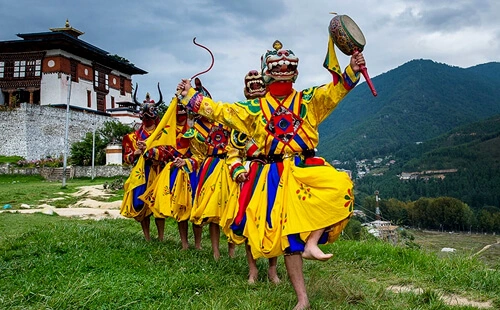
Dashain Festival in Nepal
The biggest and longest Hindu festival in Nepal, which typically spans at least two weeks, is Dashain. It is the name of festivals in Nepal that are associated with the celebration of good over evil, the triumph of Goddess Durga over the demon Mahishasura, and blessings from elders in the form of Tika and Jamara. Usually falls in the months of September or October, with a large number of Nepalese returning to their hometown; it is the festival that brings families together.
Ghatasthapana marks the beginning of Dashain, the first day when people clean and often also decorate their homes to plant barley seeds to grow Jamara for the Vijaya Dashami. Likewise, in Phulpati, people bring sacred flowers and other religious offerings into homes and temples; Maha Ashtami is when the Goddess Durga is worshipped, while on Vijaya Dashami youngsters receive blessings from elders wishing happiness, prosperity, and good health.
The festival of Lights in Nepal - Tihar
Celebrated shortly after Dashain, Deepawali, often also referred to as Yamapanchak, is a five-day celebration dedicated to animals, family relationships, especially that of brother and sister, and Goddess Laxmi. Tihar is another major Hindu festival in Nepal. From houses to temples, and streets are decorated with oil lamps, sand mandala artwork (Rangoli), candles, vibrant lights, and flower garlands, making it the popular festival of lights of Nepal.
In October and November, Kaag Tihar is the first day of the celebration dedicated to honoring crows; the 2nd day is Kukur Tihar, when dogs are worshipped; then comes Gai Tihar and Laxmi Puja, where cows are worshipped in the morning and Goddess Laxmi in the evening; also beginning is Deusi Bhailo (people gather in groups singing and dancing in traditional songs to share happiness); and the 4th day is Govardhan and Maha Puja, ending with Bhai Tika at last.
Holi - The Festival of Colors
Symbolizing the arrival of spring and also yet another victory of good over evil, connecting one to the Hindu story of Prahlad and Holika, generally coinciding with the months of February or March, Holi is the festival of colors of Nepal. Celebrated on different days in the Himalayan and hilly regions and the Terai region, the other name Fagu Purnima, people put colors on each other, wishing good along with dance, music, festive meals, and splashing water.
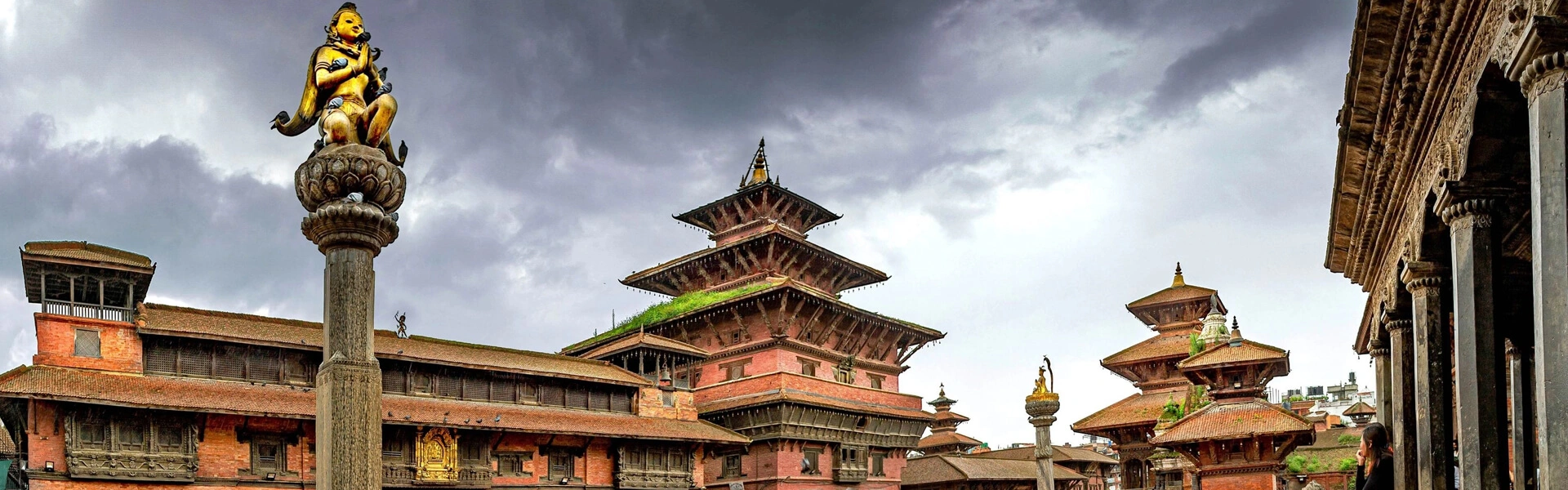
The ambience becomes exceptionally vibrant at this time, especially in the major cities like Kathmandu, Pokhara, and also Janakpur. The Durbar Square areas in the valley, such as the Kathmandu (Basantapur) Durbar Square, the Patan Durbar Square, and the Bhaktapur Durbar Square, get filled with youngsters, one of the most social festivals celebrated in Nepal to experience at least once, including for the years 2027 and 2028.
Buddha Jayanti - Celebrating the Birth of Lord Buddha
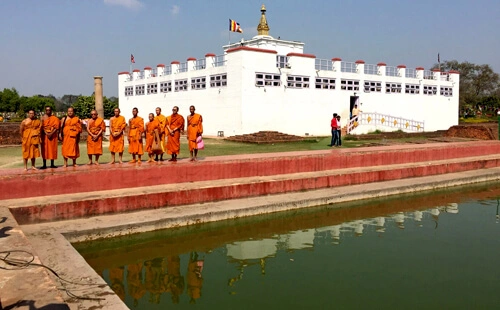
One of the most important Buddhist festivals in Nepal, held on the auspicious full moon of April or May (Baisakh), is the Buddha Jayanti. Nepal’s Lumbini, being the birthplace of Lord Buddha (the founder of Buddhism, later on earning the name the Light of Asia), supported by the Ashoka Pillar it is one of the religious festivals in Nepal that celebrates his birth, enlightenment, and Parinirvana by Buddhists across the world.
With Buddhist landmarks like Boudhanath, Swyambhunath, and Lumbini in Nepal decorated beautifully with prayer flags and flowers, dipped in the pleasing smell of burning incense, during this festival you can encounter thousands of pilgrims ready to perform Kora (a clockwise circumambulation of Buddhist stupas) with a strong belief that if done in this festival month, it is to be multiplied by 100,000 times and help you earn merits for liberation and enlightenment.
Teej - the Festival of Woman
Celebrated mainly by women in Nepal, the autumn festival, usually in August or September, Haritalika Teej, comes on top of the list of festivals in Nepal with a golden chance to understand women’s traditions, identity, devotion, and community relationships. With a religious root, Hindu folktales describe it as the joyous union of the Hindu lord of destruction (Shiva) and his spouse, Goddess Parvati; it begins with a “Dhar Khaney Din”.
Thereafter is the main day when women wear colorful saris, apply henna, and from early morning start visiting Shiva temples such as the Pashupatinath Temple in the Kathmandu Valley. A large number of married women keep fasting to pray for the longevity of their spouses and unmarried women for a suitable life partner, like Shiva for Parvati. Women enjoy traditional music and dance; it does ensure one a memorable experience.
Maghe Sankranti – Welcoming the Warmer Season
Celebrated on the 1st day of Magh, which symbolizes the transition of the sun into the zodiac sign of Capricorn (Makar), Maghe Sankranti is the festival one should look forward to participating in the month of January. Specifically, the Magar and Tharu communities of Nepal celebrate with family get-togethers as the welcoming of warmer and longer days after a cold winter. Many wake up early in the morning and take a holy bath in rivers.
Visit nearby temples, offer prayers, wear traditional clothes, and mostly share meals that in general include sesame seed (Til Ko Laddu) sweets, molasses (Khudo or Chaku), sweet potatoes (Sakharkhanda), boiled yams (Tarul), khichadi (a typical Nepalese dish made up of rice and lentils), and ghee (drawn butter). If you are in Kathmandu, Tudikhel is where you can observe both the religious and cultural festivals in Nepal on the 1st of Magh.
Lhosar - The Tibetan Buddhist New Year
Typically celebrated by the Himalayan communities of Nepal, who share close cultural ties to Tibet practising Tibetan Buddhism, such as the Tamang, Sherpa, Gurung, and Bhotias, including Tibetan refugees in the Upper Himalayas. “Lo” translates to "year" and “Sar” to "new”, Lhosar basically refers to the Tibetan New Year with three major types: Sonam, Gyalpo, and Tamu. In the period between December and March, it represents the ethnic diversity of Nepal.
Celebrated as per the Tibetan lunar calendar, the entire celebration lasts for 15 days, beginning on a new moon and concluding exactly on the full moon. Visiting monasteries and gompas, wearing traditional attire, and sharing meals, folk music, and dances are the major parts of the celebration. If you are in Nepal or its Himalayan trails during winter seasons, these festivals add to the thrill, and in Kathmandu, Tudikhel is the spot to visit.
Mani Rimdu - High - Altitude Himalayan Rituals
In the Everest Himalayas, the region guarded by none other than the top of the world itself, Mt. Everest, there are these 19 days of Buddhist festivals in Nepal that fascinate Buddhists and cultural enthusiasts from the world: Mani Rimdu. First at the largest monastery of the Khumbu Valley, Tengboche, set against the dramatic Ama Dablam (6,812 m), and later at Chiwong and Thame, it consists of three major stages, each with its own significance.
Annually in October or November, it begins with the Wong, also called the blessing ceremony, led by the head Lama. With the creation of the sacred Sand Mandala. Then comes the most famous event, Cham, when the sacred mask dance is performed for the public to trap and banish the evils, at last ending with fire puja and dispersion of the mandala called Jinsak, all in the celebration of the founding of Buddhism in the region by the Guru Rinpoche (Padmasambhava).
Mahashivratri - The Night of Lord Shiva
Allocated as the great night of Shiva (one of the three supreme Hindu lords), generally in February or March on the 13th, 14th, or 15th day of the dark fortnight in Phalguna, Maha Shivaratri is one of the most dramatic Hindu festivals in Nepal. Devotees celebrate it with great devotion throughout the country through fasting, cleansing dips, meditation, chanting religious prayers, offerings to Shiva Lingams, and a night spent sitting around sacred bonfires (Dhuni).
During this festival, the Pashupatinath Temple serves as the epicenter, a UNESCO World Heritage Site that sits along the bank of the Bagmati River. Revered as the most sacred abode of Shiva, with several Hindu epics and folklore, it is considered one of the Char Dhams of the world, where only Hindus are allowed in the main temple area. This festival further attracts thousands of Hindu devotees, pilgrims, sadhus, and visitors, mainly from Nepal and India.
Gai Jatra - The Festival of Life, Humor, and Remembrance
Among the Nepalese festivals celebrated particularly among the Newar community, primarily in the Kathmandu Valley, like the Indra Jatra, Rato Machhindranath Jatra, and Ghode Jatra, Gai Jatra is observed in August or September. Unlike other festivals in Nepal that are mostly about happiness, it is associated with remembering loved ones who passed away during the previous year, with the means of creative costumes and traditional dances on the streets.
Many believe it was started by King Pratap Malla in the 17th century to help his grieving queen understand that death is a natural part of life after the demise of their son, calling for families who lost their loved ones the previous year to share the sorrow. Some connect it to an even earlier date during the era of King Jayasthiti Malla in the 14th century. Either way, over the years it has gained popularity for humor, satire, and comedy performances as a form of grief.
Conclusion
Although tracking the number and names of festivals in Nepal is challenging, especially since many are not yet officially recognized, it is safe to conclude that there are more than 50 religious and cultural festivals—more festivals than days in the calendar. As mentioned, the 10 hottest picks that our clients have preferred to observe and found most fascinating- let us know if you wish to observe the same, explore others, or combine with Himalayan treks and climbs.
Adventure Himalayan Travels and Treks can make the essential arrangements for you to be part of the vibrant Nepalese festival while participating in popular treks such as the Everest Base Camp Trek, Annapurna Base Camp Trek, Langtang Valley Trek, less crowded Manaslu Circuit Trek, Annapurna Circuit Trek, and Upper Dolpo Trek. 4.8/5 Google ratings and more than two decades of experience—we are your trusted local travel partner to reserve your seat now!