How Was the Langtang Valley Before the Earthquake?: A Glimpse Back
Before the earthquake, Langtang Valley stood out for being one of the most accessible Himalayan trekking areas in Nepal. A few hours, 6-9 depending on the traffic of the day, and you make it to the common Langtang Trek starting point, Syabrubesi, including for the Langtang Valley and Gosaikunda Lake Trek, the Tamang Heritage Trekking Trail, and the Helambu Trek to the core of the Langtang Trekking Region.
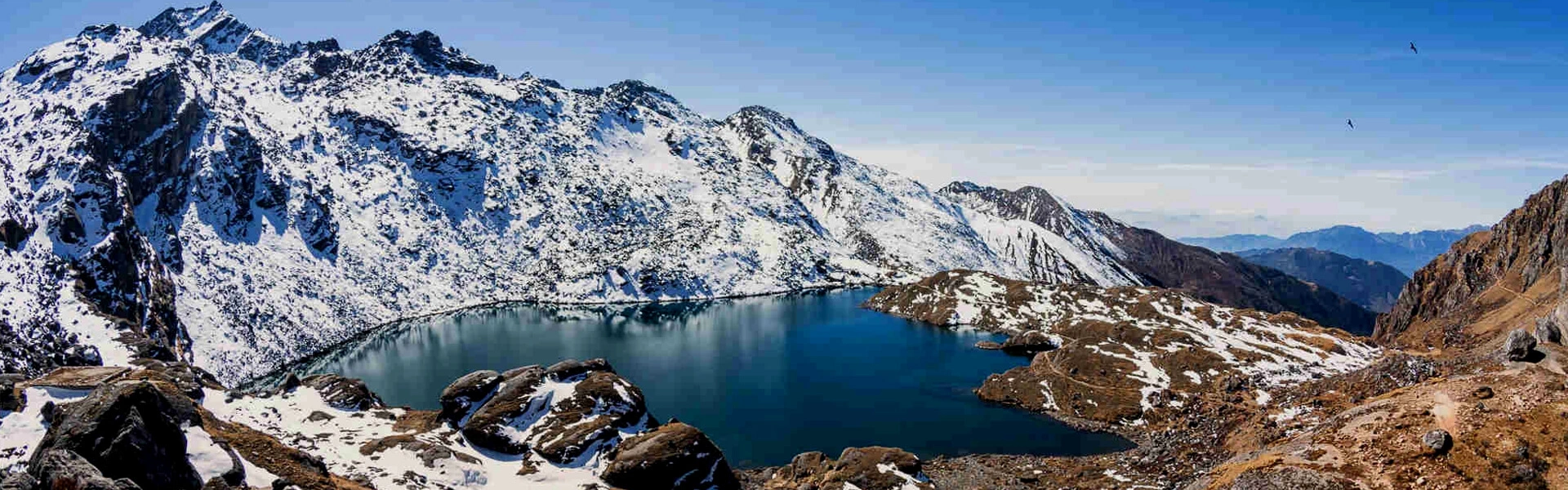
Major charms were the forests of rhododendron, especially beautiful during the months of spring; traditional Tamang villages with welcoming locals; roaring rivers; crystal-clear water streams; and glacial lakes. For those ready to push a little bit further at the center of several snow-capped peaks like Langtang Lirung, an immersive Himalayan trekking experience.
What happened in Langtang due to the earthquake?
In April 2015, Nepal was struck by a devastating earthquake. The impacts were severe across the majestic Himalayas, among which the Langtang Valley was also one of the hardest hit areas. Massive avalanches and landslides were triggered from the slopes of Langtang Lirung and the surrounding mountain ranges. It buried the entire Langtang village under snow, ice, and debris, and the region's trekking infrastructure was adversely affected.
Homes, lodges, and several other centuries-old settlements, cultural, religious, and historical sites were almost completely wiped out. Trekking trails were damaged, several bridges collapsed, and communication systems were cut off. Both the local Tamang community and foreign trekkers were in isolation for several days. The Langtang earthquake documentary on Trek Trail also suggests that it was one of the deadliest events ever recorded in the Valley.
Langtang After Earthquake: Did Langtang Village rebuild?
Obviously, after the earthquake trek to the Langtang Valley, also often referred to as Nepal’s “Valley of Glaciers," looked different. Trekking trails had to be rerouted as the landscapes changed, as some slopes shifted, and forested areas were also disrupted. However, both the nature and local communities showed an incredible resilience. Supported by Nepalese government programs, NGOs, and charity organizations, it is fully operational again.
Yes, the Langtang village and the main Langtang Valley trekking trail from Syabrubesi to Kyanjin Gompa and through now have been carefully restored, including the emotional and cultural aspects as well. Signposts, bridges, and stone steps—adventures again can find well-marked and safe routes from start to end. Many buildings were reconstructed with better earthquake-resistant techniques; it took time, but now they are thriving, eager to welcome.
Revival of Tamang Heritage and community spirit: The heart of Langtang
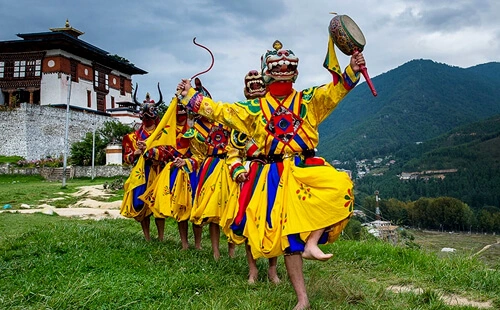
One of the indigenous communities of Nepal, the Tamang people, dominates the valley, and the Langtang Valley Trek after the earthquake reflects the cultural resilience. The traditional festivals and dances are celebrated with renewed enthusiasm, especially Janai Purnima in the Langtang Gosaikunda Lake. Locals are happy to share the stories, culture, and, of course, the local cuisine that may not be full of variety but is hearty and filling.
During the spring and autumn, regarded as peak seasons for high Himalayan treks and climbs, including for the Langtang Valley Hike, the teahouse offers a further lively ambience both Trek Langtang earthquake before and after. You have an opportunity to meet trekkers and climbers across the world, and cultural exchange seems seamless. In the home-like environment of Home Away, the local hospitality, warm and genuine, echoes louder.
Why After the Earthquake Trek to Langtang Valley?
The Langtang Valley Trek after the earthquake ensures a meaningful Himalayan trip. You are not only treated to the authentic, natural, and cultural beauty but also the remarkable resilience; you get to be part of the recovery journey. In the place where tourism is one of the major sources of livelihood, you directly contribute to supporting the region, where each part of the landscape tells a story of renewal. A friendly reminder that it is never too late to restart.
Forests are regrowing, rivers bring the tales from the Himalayas, and mountains still stand tall, perched above the sky. The locals are as friendly as they always used to be. As you stay in teahouses opened and managed by Himalayan locals and eat what they eat, you have plenty of space to connect with the real Himalayas. Quieter than the popular Everest Base Camp Trek and Annapurna Base Camp Trek, you have moments for personal growth.
Where are the best Langtang Hiking Trail stops?
Unforgettable stops on the standard Langtang Valley Trekking Trail include both Langtang before and after the earthquake, Syabrubesi, bamboo forests that serve as natural habitats for rare red pandas, Ghoda Tabela, Langtang Village, and Kyanjin Gompa. Being the gateway town where the Langtang Trek Trail officially begins it also features several shops and teahouses, and there is a greater chance that you may also find private rooms here.
Then, as you move on, the lush green bamboo forests with the birds and streams in the symphony welcome you. Likewise, the village of Ghoda Tabela is set against the stunning mountain backdrop, and Langtang Village is the largest settlement in the Langtang region that now also has memorial sites in honor of those who were lost due to the 2015 Langtang earthquake in Nepal, while Kyanjin Gompa is the spiritual and cultural center with a monastery.
The Best Langtang Valley Trekking Itinerary of 10 Days
While there are several Langtang trekking routes, at Adventure Himalayan Travels and Treks, we provide you with a customization option and are happy to craft a more personalized journey. The 10 days is the standard Langtang Valley Trek itinerary. Starting with your arrival in the Kathmandu Valley, officially on the 2nd day, with a drive to Syabrubesi, but the trek is only on the 3rd day and is to arrive at Sherpa Gaou.
Thereafter, you gradually ascend to Kyanjin Gompa, both the Himalayan settlement and monastery, also serving as one of the best Langtang viewpoints, through Thangshep village. The journey does not stop here. To make sure your body is well acclimatized, you do not rush, and also you make the best out of the journey, there is also a side hike to Tsergo Ri, the highest point of the trip, before beginning the retraced to return to Kathmandu.
Capture Langtang Earthquake Documentary on Trek Trail: What can we do for you?
For those keen to know about the Langtang Valley’s journey from devastation to recovery, the Langtang Valley earthquake documentary on the Trek Trail offers firsthand accounts of what actually happened there. With the footage of the destruction and reconstruction, and also an insight into how nature and the local community's resilience intertwine, you not only have a deeper understanding of the history but also travel with empathy and respect.
If you wish to capture the story, preserve memories of lives lost and communities shaped by the before and after earthquake in Langtang, and look forward to inspiring appreciation for nature’s grandeur and the tenacity of humans, we can make all the essential arrangements for you. Do inform us that you wish for the Langtang earthquake documentary on the trek trail when booking; we are happy to show you the places that were heavily impacted and so on.
Can you find private rooms and amenities on the trek to Langtang after the earthquake?
Although Langtang Valley, before the earthquake, was also one of the best short and beginner-friendly trekking destinations in Nepal, the facilities were basic. Adventurers visiting the area were advised to keep their expectations realistic. Camps were the ones that used to take care of trekkers' everyday needs, from meals and lodges to other facilities, but now the Langtang Valley Trek, after the earthquake, is a complete teahouse-style trek.
In larger and more popular villages, yes, you may find private rooms and other facilities such as wifi, electricity for charging electronic devices, and hot showers, which are considered luxuries in the Himalayas of Nepal and are almost nonexistent in off-the-beaten-path and restricted areas such as the Upper Dolpo Trek, the Kanchenjunga Base Camp Trek, and the Phoksundo Lake Trek. Although it can charge extra, it is available.
When are the best seasons for trekking to the Langtang after the earthquake?
Whether you are trekking to the Langtang Valley after the earthquake or before, the best time to visit is spring and autumn, from March to May and September to November. If well prepared and geared, the Langtang Valley hike is manageable throughout the year. These seasons bring the most favorable weather, followed by mild temperatures, clear skies, and excellent visibility with lesser chances of rain and snowfall.
This also means the Langtang Trek Trails remain dry, teahouses are fully operational, and managing logistics becomes a lot easier than in summer and winter. From June to August is summer, also called monsoon season in Nepal, and often, most of the high Himalayan trekking routes experience heavy rainfall, leading to floods and landslides. Likewise, in winter it gets extremely cold at high altitude, so the best seasons are undoubtedly spring and autumn.
Conclusion
The Himalayan trekking trails in Nepal are healing, and so is the Langtang Valley. Even after the Langtang Earthquake of 2015, it stands as a powerful chapter while the valley is thoughtfully restored, safe, and radiating with vibrant cultural life again. Book your Langtang Valley Himalayan trip after the earthquake with one of the leading trekking and tour companies in Nepal, such as Adventure Himalayan Travels and Treks.
Bookings are now open for 2026 and 2027. Contact us and reserve your seat now, and enjoy our Langtang Valley Trekking Itinerary of 10 days that is further customizable as per your preferences and requirements. A personalized experience is our guarantee. Join our fixed group departures, or you may also plan a solo Langtang Trek with one of our local guides. Your safety, satisfaction, and hassle-free experience are our priority.
FAQS
Is it safe to trek in Langtang Valley in 2026 and 2027?
Yes, the Langtang Valley Trek is safe for all kinds of trekkers and travelers. If you are healthy, physically fit, and flexible for the basic living standards, you are ready to go. But if you are suffering from any permanent diseases or issues with the lungs and heart, it is good to consult with the concerned authorities before you do the booking.
Did Langtang Village rebuild in the same spot?
Now the new Langtang Village lies a short distance away from the original one. It was completely buried by an avalanche due to the earthquake and was moved to a safer location with earthquake-resistant teahouses and houses, ensuring better security for both locals and people visiting the premises.
Must you hire a guide for trekking to Langtang Valley?
Yes, since the strict ban on free individual trekkers (FITs) in Nepal began on April 1st, 2025, all trekkers must hire a professional guide when trekking in the country’s protected areas. This requirement applies to the Langtang Valley Trek, which is located within Langtang National Park, on both the trek before and after the earthquake.
How high is the Langtang Valley Trek?
Usually, Kyanjin Gompa, at an altitude of 3,870 m, is the highest point trekkers reach during the trekking journey to the Langtang Valley, but if you choose a side hike to nearby high peaks such as Kyanjin Ri (4,773 m) or Tserko Ri (4,984 m), their height is what becomes the maximum elevation gain you experience.
How long does it take to trek to Langtang Valley?
The exact length of the Langtang Valley Trekking highly depends on the chosen itinerary, your walking pace, health, and fitness level. In general, starting from Syabrubesi with the primary intent to make it to the Kyanjin Gompa, Tsergo Ri, or Kyanjin Ri, it typically spans 7-10 days, or you may choose to extend the journey.